
Picconia
Picconia
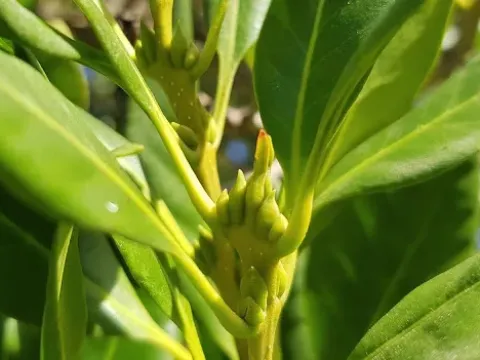
Picconia is a genus of evergreen trees and shrubs belonging to the family Oleaceae. It originates from the Macaronesia region, specifically the Canary, Madeira, and Azores islands, where it typically thrives in humid laurel forest environments.
What the section contains


Picconia
The cultural requirements for Picconia focus on maintaining a stable, mild environment. These plants are sensitive to frost and extreme heat, preferring shaded or semi-shaded locations with high ambient humidity, which makes them ideal candidates for conservatories in colder climates.
Regarding soil, Picconia demands a loose, well-draining substrate that remains consistently moist but never waterlogged. Incorporating organic matter into the soil profile promotes vigorous root development and supports the plant’s characteristic glossy foliage.
Standard horticultural practices for Picconia include periodic pruning to maintain shape and size, as the plant typically exhibits a slow growth habit. During the growing season, applying a balanced liquid fertilizer can provide the necessary nutrients for sustained health and deep green leaf color.
Economic use of the genus is primarily centered on ornamental horticulture. Due to its limited distribution and protected status in the wild, its use is restricted to specialized collections, botanical gardens, and high-end landscaping projects where its unique aesthetic profile is appreciated.
The primary threats to Picconia in cultivation include scale insects and mealybugs, which tend to congregate on the underside of leaves. Early intervention with horticultural oils or insecticidal soap is generally effective in managing these pest populations.
Fungal issues such as leaf spot or root rot are common when drainage is inadequate or air circulation is poor. Ensuring that the plant has access to fresh air and avoiding overhead watering are crucial preventative measures for long-term health.