
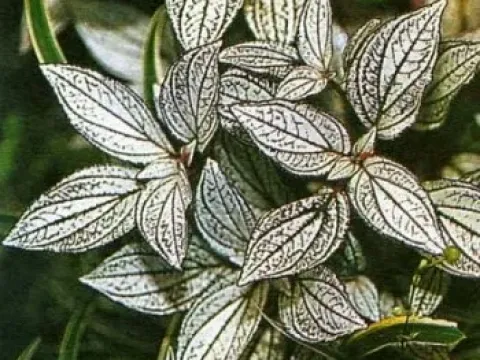
Sonerila margaritacea
Sonerila margaritacea
Sonerila margaritacea is an exquisite herbaceous perennial belonging to the Melastomataceae family. Native to the tropical regions of Southeast Asia, specifically Myanmar, this plant has gained recognition among botanists and indoor plant enthusiasts for its stunning, ornamental foliage.
What the section contains
Sonerila margaritacea
The plant is biologically distinguished by its lanceolate leaves which feature a dark green surface adorned with distinctive, pearl-like silver spots. This unique spotting pattern, combined with the reddish-purple underside of the leaves, makes it a highly sought-after specimen for terrarium environments.
To cultivate this species successfully, growers must emulate its natural rainforest habitat. The temperature should be kept consistently warm, ideally between 20°C and 25°C, as the plant is highly sensitive to cold drafts and rapid fluctuations in thermal conditions, which can lead to leaf drop.
The soil requirements for Sonerila margaritacea emphasize drainage and acidity. A high-quality substrate consisting of peat, leaf mold, and added perlite is recommended. This mix ensures that the root system receives sufficient oxygen while retaining the moisture level necessary for the plant's health.
Lighting should be bright but strictly indirect. Direct sunlight is detrimental to the delicate leaf structure, causing rapid scorching. The plant performs best in high-humidity environments, making it a perfect candidate for closed glass containers or terrariums where humidity stays above 70 percent.
The most common threat to Sonerila margaritacea is the spider mite, which thrives in conditions where humidity is inadequately managed. These pests cause severe damage to the foliage, resulting in a stippled, faded appearance and ultimately weakening the plant's structural integrity.
Mealybugs also pose a significant risk, particularly when introduced via infested new plant materials. These insects are often found in the leaf axils, making them difficult to detect until a significant infestation occurs. Regular visual inspection is essential to maintain a healthy collection.
Fungal diseases are a major concern when the cultural conditions are not met, specifically in terms of overwatering and poor air circulation. Root rot and leaf spot pathogens can quickly spread throughout the plant, especially if the potting medium remains waterlogged for extended periods.
To mitigate these threats, maintain strict hygiene within the growing environment. Use only filtered or soft water to avoid salt accumulation, which can stress the plant and make it more susceptible to opportunistic pathogens found in the soil and atmosphere.
In case of pest outbreak, utilize insecticidal soaps or neem oil, ensuring that the application does not stress the delicate foliage. Preventive care, such as keeping the growing area clean and ensuring optimal light and temperature, remains the best defense against all common threats to this species.