
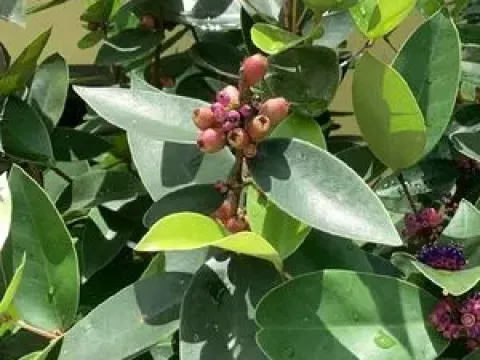
Spathandra
Spathandra
Spathandra is a genus belonging to the Melastomataceae family. These plants are typically characterized by their evergreen foliage and distinct leaf venation patterns, which are hallmarks of this botanical family.
What the section contains
Spathandra
The native habitat of this plant encompasses tropical regions of Africa and Asia. They thrive in environments that feature high humidity and consistent tropical temperatures throughout the entire year.
Cultivation requirements involve maintaining temperatures between 22 and 28 degrees Celsius. The plant does not tolerate frost and requires a stable environment to prevent physiological stress and leaf drop.
Soil management should focus on providing a well-draining, nutrient-rich substrate with an acidic to neutral pH. Proper drainage is critical, as the roots are highly susceptible to rot if subjected to waterlogging.
In terms of agricultural and horticultural use, Spathandra is mainly valued for its aesthetic qualities in botanical gardens and specialized collections. Its complex flower structure makes it a point of interest for researchers.
Fungal pathogens represent the most significant threat to Spathandra in controlled environments. These diseases are often exacerbated by poor air circulation and excessive humidity levels in the greenhouse.
Pest infestations, particularly by spider mites and scale insects, can severely hinder plant development. These pests target the underside of the leaves, drawing sap and weakening the overall vigor of the shrub.
Integrated pest management (IPM) is recommended for maintaining healthy populations of these plants. This includes the regular use of physical inspections and the application of horticultural oils when necessary.
Root system health should be prioritized to avoid anaerobic conditions, which invite soil-borne pathogens. Careful monitoring of irrigation levels is essential to ensure long-term survival of the crop.
Quarantine practices are essential when introducing new specimens to an existing collection to prevent the spread of localized diseases that can be devastating for members of the Melastomataceae family.