
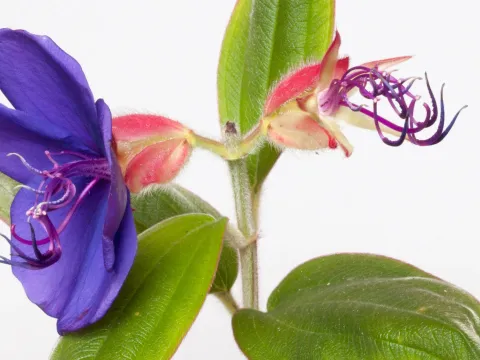
Tibouchina
Pleroma
Pleroma, commonly referred to as Tibouchina, is primarily grown as an ornamental container plant in temperate regions or as a landscape shrub in tropical zones.
What the section contains


Tibouchina
Propagation is most effectively achieved through stem cuttings taken during late spring or early summer to ensure robust rooting.
Cuttings should be placed in a well-draining, peat-based medium and kept in a warm environment with temperatures ranging between 20–25 degrees Celsius.
Growing from seed is a viable but slower method, requiring consistent moisture and warmth for successful germination of the small seeds.
When starting from seeds, it is crucial to surface-sow them and maintain a high humidity level using a clear cover or greenhouse setup.
Belonging to the Melastomataceae family, Tibouchina originates from the tropical rainforests of South America, specifically Brazil.
The plant thrives in bright, filtered light and requires protection from the intense midday sun to prevent leaf scorching.
Soil requirements include a slightly acidic, nutrient-rich, and well-draining substrate to support the plant's delicate root system.
As a tropical species, it is sensitive to cold and must be kept at temperatures above 12–15 degrees Celsius during the winter months.
Proper irrigation is essential; use soft or rainwater to avoid the buildup of lime, which can inhibit nutrient uptake and cause yellowing leaves.
Common pests affecting Tibouchina include spider mites and mealybugs, which thrive in indoor environments with low humidity levels.
Regular monitoring of the foliage and increasing atmospheric moisture are primary cultural practices for keeping pest populations under control.
Waterlogging in the root zone is a major threat, often leading to fungal infections and systemic root rot that can be fatal to the plant.
Nutrient deficiencies, particularly involving iron, are frequent in alkaline soils, leading to chlorosis, which can be corrected by adjusting the pH level.
Integrating organic fertilizers during the active growing season helps maintain plant vigor and increases resistance to common environmental stresses.
There is no harvesting process for Tibouchina, as its primary agricultural and commercial value lies in its aesthetic role in horticulture.
The plant is highly valued for its large, velvet-textured leaves and vibrant purple flowers, making it a staple in the ornamental plant trade.
Maintenance includes routine pruning to remove spent blooms and to shape the canopy, which encourages denser branching and future flower production.
In landscaping, it is used as a focal point or accent plant, requiring strategic placement to maximize the visual impact of its seasonal bloom.
Understanding the plant's growth habit is essential for successful management in greenhouses, ensuring that the desired form is maintained throughout the season.