
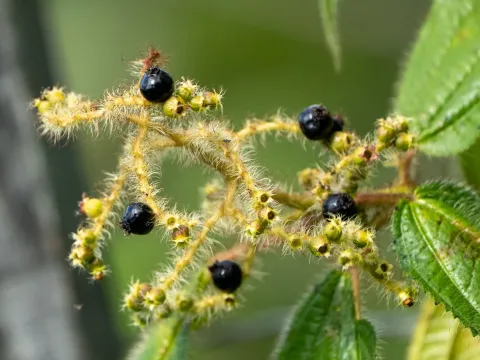
Tetrazygia
Tetrazygia
Tetrazygia is a genus of evergreen shrubs and small trees belonging to the Melastomataceae family, primarily native to the tropical regions of the Caribbean and Florida.
What the section contains

Tetrazygia
These plants are highly valued for their distinctively veined, opposite leaves and terminal clusters of flowers, making them popular subjects for botanical collections in frost-free regions.
Cultivation requires a warm climate with consistent humidity, as the species is highly sensitive to cold and cannot survive freezing temperatures outdoors.
Optimal growth occurs in well-drained, acidic to neutral soil types that are rich in organic matter to provide the necessary nutrients and prevent root zone saturation.
They thrive in bright, indirect sunlight, requiring protection from harsh direct sun to prevent leaf scorching and to maintain the deep green color of their foliage.
The primary threats to Tetrazygia health are root-borne fungal diseases, which are typically triggered by poor drainage and excessive watering regimes in potting mixes.
In enclosed or indoor environments, spider mites represent a significant pest threat, especially when ambient humidity levels are allowed to drop below recommended ranges.
Mealybugs are another common concern, frequently appearing on young shoots and under leaves, causing damage by sap-sucking and weakening the plant's overall vigor.
Nutrient deficiencies, specifically iron chlorosis, may occur if the soil pH becomes too alkaline, preventing the plant from efficiently absorbing essential micronutrients.
Maintaining a clean growing environment and practicing proper sanitation, such as removing dead foliage, significantly reduces the likelihood of severe pest infestations.