
Tibouchina
Tibouchina
Tibouchina belongs to the Melastomataceae family. These are evergreen shrubs or small trees native primarily to the tropical regions of South America, specifically Brazil.
What the section contains


Tibouchina
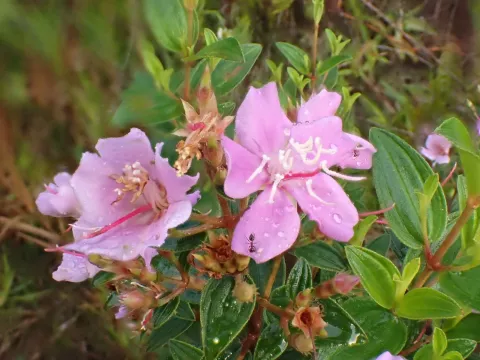
The crop is characterized by velvety leaves with distinct venation and large, vibrant violet-purple flowers, which are highly valued in landscape design and ornamental gardening.
The plant is thermophilic and requires high light levels. In temperate climates, Tibouchina is grown primarily in greenhouses, conservatories, or as a container plant, placed outdoors only during the summer months.
Optimal soil conditions include a loose, well-draining substrate with an acidic or slightly acidic pH level. Stagnant moisture at the roots is prohibited, as it quickly leads to the development of root rot.
The crop requires regular watering with soft water free of lime. During the active growing season, regular fertilization with complex fertilizers for flowering plants with low calcium content is necessary.
The main pests of Tibouchina in closed-ground conditions are spider mites and mealybugs, which multiply rapidly in conditions of low air humidity.
Improper watering regimes or excessively cold water often trigger leaf chlorosis. If agricultural practices are violated and the soil becomes waterlogged, the plant is susceptible to fungal diseases such as powdery mildew.