
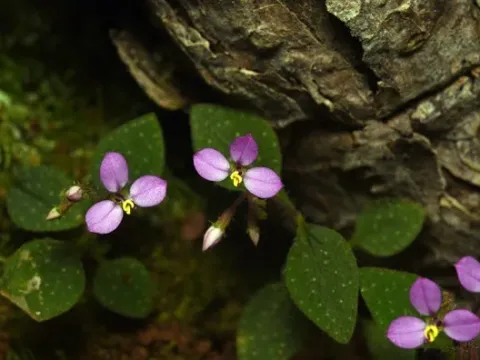
Sonerila erecta
Sonerila erecta
Sonerila erecta belongs to the Melastomataceae family, known for its unique foliage and tropical origin. Native to Southeast Asia, this plant thrives in the dense, shaded, and humid environments of tropical rainforests.
What the section contains
Sonerila erecta
To successfully cultivate Sonerila erecta, high ambient humidity is the most critical factor. Maintaining levels between 70 and 80 percent is essential to prevent leaf desiccation and promote vigorous growth of the plant.
The soil requirements involve a substrate that is both nutrient-rich and porous. A mix based on peat and perlite or vermiculite is recommended to ensure excellent aeration and sufficient moisture retention without becoming waterlogged.
Temperature management should focus on consistency. The ideal range is between 20 to 26 degrees Celsius. Sudden temperature fluctuations or cold drafts should be avoided at all costs, as they can cause rapid decline.
Regarding irrigation, it is crucial to use soft, room-temperature water. Frequent light waterings are preferred over infrequent heavy saturation to maintain a constant, slight moisture level in the root zone.
Pathogenic fungi are a significant threat to Sonerila erecta, particularly under conditions of poor air circulation and excessive dampness. These factors lead to root rot and stem decay, which can be fatal if not addressed early.
Pest pressure from spider mites is common in environments where humidity is not strictly controlled. These pests can quickly colonize the undersides of leaves, leading to chlorosis and eventual necrosis of the foliage.
Mealybugs also pose a potential threat, often hiding in the leaf axils. Regular monitoring and physical removal, or the application of insecticidal soaps, are effective methods for maintaining plant health.
The use of balanced, weak fertilizers is recommended, as high concentrations of salts in the soil can damage the sensitive root system and attract pests. Always perform a salinity check of the potting mix if the plant appears distressed.
Quarantine measures are highly advised when introducing new specimens into a greenhouse or collection to prevent the spread of soil-borne pathogens or insect infestations to established plants.