
Rhexia
Rhexia
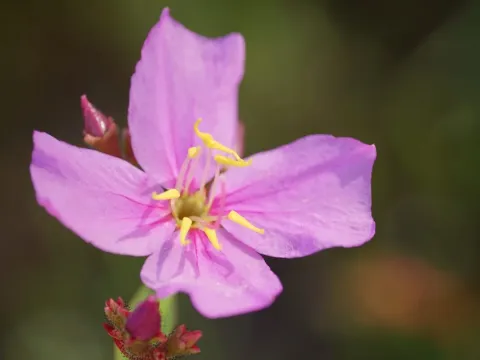
Rhexia is a genus of perennial herbaceous plants belonging to the Melastomataceae family. Commonly known as "meadow beauty," these plants are recognized for their vibrant, four-petaled flowers and unique stamens, which add significant ornamental value to any landscape.
What the section contains


Rhexia
The native range of Rhexia includes the eastern and southern regions of the United States. These plants are naturally adapted to wet environments, such as moist meadows, marshes, and bogs, which dictates their specific horticultural needs regarding water management.
For successful cultivation, Rhexia requires consistently moist, acidic, and well-draining soil. It is critical to maintain a low pH level, as the plant struggles to thrive in alkaline conditions, which can lead to nutrient deficiencies and chlorosis.
Regarding climate and site requirements, Rhexia performs best in full sun exposure. While they can tolerate partial shade in hotter climates, optimal flowering is achieved when the plants receive at least six hours of direct sunlight daily to support their metabolic processes.
In terms of agricultural use, Rhexia is primarily utilized in ornamental horticulture. It is an excellent choice for wetland restoration projects or specialized garden features where soil moisture levels are reliably high throughout the growing season.
The primary threat to Rhexia is the development of root rot, which typically occurs due to inadequate soil drainage or excessively stagnant water conditions. Proper site preparation, including the use of high-quality organic matter, is essential for health.
Pests such as aphids and spider mites can occasionally affect the foliage, particularly during dry spells or if the plant's natural vigor is compromised. Early intervention is necessary to prevent these pests from spreading across the planting bed.
Fungal leaf spots represent another potential threat, often exacerbated by poor air circulation around the plants. Implementing proper spacing during the planting phase is a critical step in mitigating the risk of pathogen accumulation and spread.
Maintaining proper hygiene by removing dead plant debris at the end of the season helps reduce the overwintering potential of harmful pathogens and pests. This practice ensures a healthier start for the plant in the following growth cycle.
When implementing pest control, it is advised to prioritize organic or biological solutions to protect the delicate balance of the plant's environment. Chemical treatments should be used with extreme caution to avoid damaging the root system or harming pollinators.