
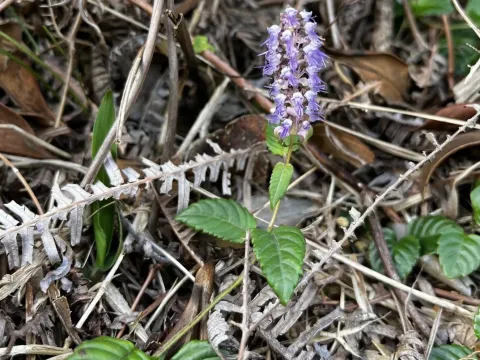
Mesona
Mesona
Mesona seeds are typically sown in early spring, requiring warm temperatures and high humidity to successfully germinate.
What the section contains
Mesona
Many growers start the seeds in trays within a greenhouse environment before transplanting them to the main field.
The seeds are very fine, so they should be sown on the surface and only lightly pressed into the soil to ensure contact.
Adequate soil moisture must be maintained throughout the germination period, as the seeds are sensitive to drying out.
Spacing between plants is usually set to ensure proper airflow, which is critical for maintaining healthy, robust stems.
Mesona belongs to the Lamiaceae family and thrives in tropical and subtropical climates with consistent rainfall.
The plant requires well-drained, fertile soil that is rich in organic matter to produce the high polysaccharide content desired for processing.
Consistent irrigation is essential, as the plant suffers quickly under drought conditions, leading to poor growth and yield.
A location with full sun exposure is preferred to maximize the concentration of natural compounds within the plant tissues.
The optimal pH level for cultivation is slightly acidic to neutral, which supports the most vigorous vegetative growth cycles.
Total yield is highly dependent on the frequency of harvesting, as the plant responds well to multiple cuttings per season.
Commercial producers focus on the biomass of stems and leaves, which are the primary parts used for extraction.
Proper soil fertility management can significantly increase the leaf area index, leading to higher harvest volumes.
Yields are typically maximized in regions where temperatures remain consistently warm throughout the growing season.
Techniques such as side-dressing with nitrogen-rich organic fertilizers help promote the rapid regrowth of stems after harvest.
Root rot remains the most serious threat, often caused by stagnant water or excessively heavy, waterlogged soil conditions.
Powdery mildew can affect the foliage during periods of high humidity combined with poor air circulation between plants.
Aphids and various mite species can infest the leaves, necessitating careful monitoring and integrated pest management.
Effective drainage systems are the best defense against soil-borne pathogens that commonly plague this moisture-loving crop.
Avoiding the reuse of the same plot for multiple years helps minimize the risk of recurring pest and disease cycles.
The harvest is ideally timed to coincide with the onset of flowering, as the concentration of gelling agents peaks at this stage.
Plants are cut cleanly above the base to encourage the plant to regenerate for subsequent harvests later in the year.
Post-harvest handling involves washing the stems to remove debris before initiating the drying process immediately.
Drying must be conducted in well-ventilated areas to prevent fermentation or mold, which would ruin the quality of the jelly product.
Once dried, the plant material is compressed into bundles, which makes it easier to store and transport to processing plants.