
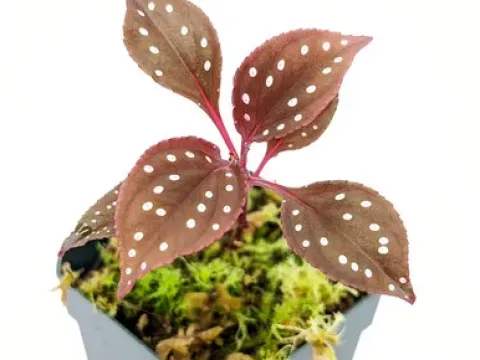
Sonerila amabilis
Sonerila amabilis
Sonerila amabilis is an attractive herbaceous perennial belonging to the Melastomataceae family. Originating from the tropical rainforests of Southeast Asia, it thrives in warm and humid environments, typical of the forest floor understory.
What the section contains
Sonerila amabilis
Botanically, this species is prized for its ornamental foliage, which features lanceolate leaves with a distinct silver or white mottled pattern. The plant produces delicate, small flowers that range from pink to purple, enhancing its overall visual appeal.
The climatic requirements for successful cultivation are quite specific, demanding stable temperatures between +20°C and +25°C. Exposure to cold drafts or significant temperature fluctuations can lead to rapid leaf drop and plant decline.
Regarding soil, Sonerila amabilis requires a well-draining, nutrient-rich substrate. A mix consisting primarily of peat, leaf mold, and added perlite or vermiculite ensures sufficient aeration for the sensitive root system.
In terms of agricultural and horticultural use, this crop is primarily utilized in indoor decorative settings, such as terrariums and high-humidity display cases. It is not suitable for open-field cultivation outside of specialized tropical botanical installations.
The primary threat to the health of this species is overwatering, which quickly leads to root rot. Ensuring the substrate is moist but never waterlogged is essential for the longevity of the plant.
Fungal infections, such as powdery mildew and grey mold, are common risks in environments with poor air circulation. Proper spacing between plants and gentle ventilation are critical preventive measures.
Pests such as spider mites and mealybugs can cause significant damage to the soft leaf tissue. These pests are particularly problematic in dry or overly warm indoor conditions where natural predators are absent.
Regular monitoring of the foliage, especially the undersides of the leaves, allows for early detection of pest infestations. Utilizing systemic or contact insecticides may be necessary to manage outbreaks.
Hygiene is paramount when handling this delicate crop. Always sanitize tools between maintenance tasks to prevent the cross-contamination of pathogens and to maintain the plant's structural integrity.