
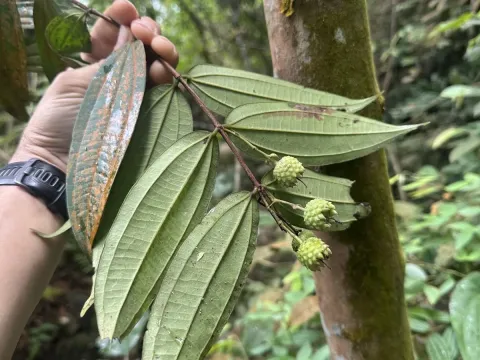
Pternandra
Pternandra
Pternandra is a genus of evergreen trees and shrubs belonging to the Melastomataceae family. These plants are native to the humid tropical forests of Southeast Asia, where they thrive in diverse ecological niches under the forest canopy.
What the section contains


Pternandra
Cultivating Pternandra requires a stable tropical environment characterized by high humidity and consistent warmth. The plant prefers well-drained, nutrient-rich soils with a slightly acidic to neutral pH level, mimicking its natural rainforest floor habitat.
Light management is crucial, as the plant is adapted to filtered sunlight. Exposing these plants to intense, direct tropical sun can cause leaf scorch and damage the delicate foliage, while insufficient light leads to spindly, weak growth.
Watering practices must ensure the soil remains moist but not waterlogged. The root system of Pternandra is sensitive to anaerobic conditions, necessitating excellent drainage in both pot-grown and field-grown specimens.
The thermal requirements are strictly tropical, as Pternandra does not possess any mechanisms for frost resistance. Maintaining temperatures above 20 degrees Celsius is essential for optimal physiological activity throughout the year.
Fungal diseases are the primary concern for Pternandra, particularly those affecting the roots and stems. Soil pathogens like Phytophthora can be devastating if drainage is compromised or if the soil remains too wet for extended periods.
Insects such as mealybugs, scales, and aphids frequently target the younger, tender shoots of the plant. These pests can rapidly proliferate in enclosed environments, requiring prompt intervention with organic soaps or systemic treatments.
Leaf-eating caterpillars can cause significant aesthetic and physiological damage during the wet season. Manual removal or the use of biological control agents is recommended to maintain plant health without chemical reliance.
Nutrient deficiencies, specifically iron chlorosis, are common when soil pH is not properly managed. This leads to interveinal yellowing, which restricts the plant's ability to produce energy through photosynthesis effectively.
Environmental stress, such as sudden changes in humidity or exposure to drying winds, can lead to tip burn and premature leaf drop. Protecting the plants from harsh drafts is a fundamental aspect of successful maintenance.