
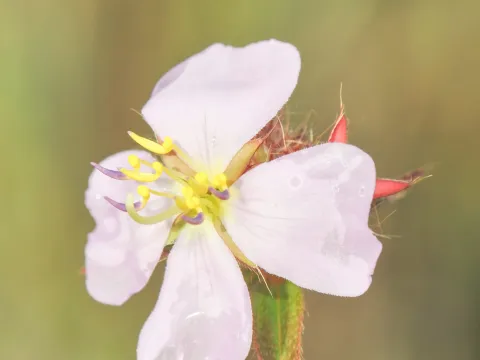
Pterolepis
Pterolepis
Sowing Pterolepis generally begins in early spring, utilizing a seedling tray method to ensure optimal germination. Because the seeds are exceptionally small, they should be surface-sown onto a fine, well-draining substrate without being deeply buried.
What the section contains


Pterolepis
Temperature control is critical during the germination stage, with the ideal range being between 20 and 24 degrees Celsius. Maintaining high ambient humidity through the use of a plastic cover or glass sheet is essential until the seedlings emerge.
Pricking out the seedlings occurs once two sets of true leaves have fully developed. The transplanting process into final containers or open ground should be delayed until all risks of frost have passed to ensure the survival of the young plants.
Spacing is a vital aspect of crop management, providing enough room for the Pterolepis to develop a robust root system. Proper distance between plants helps in maintaining good airflow, which is crucial for overall health.
When grown in greenhouse settings, sowing schedules can be adjusted with supplemental lighting. This allows for controlled growth cycles, enabling the production of healthy, uniform crops throughout different times of the year.
Pterolepis belongs to the Melastomataceae family and thrives best in conditions that mimic its natural tropical habitat. It requires bright, indirect sunlight to maintain its vibrant foliage and ensure consistent flowering throughout the season.
The soil profile should be slightly acidic with excellent drainage properties. Waterlogging is a significant risk, as it often leads to root rot; therefore, selecting the right soil mix with perlite or pumice is highly recommended for success.
Consistent watering with soft, lime-free water is necessary to keep the soil moist but not saturated. In indoor environments, regular misting or using a humidity tray helps maintain the required humidity levels of 60–70 percent.
Fertilization should be applied during the active growth phase, preferably using a balanced liquid fertilizer formulated for flowering plants. Avoid high-nitrogen fertilizers, which may lead to excessive foliage growth at the expense of floral development.
For those in cooler climates, Pterolepis is often treated as an annual or a container plant that needs to be moved indoors during winter. Keeping the ambient temperature above 15 degrees Celsius is essential for survival during dormancy.
The most common pests affecting Pterolepis are spider mites, which tend to proliferate in warm, dry environments. These pests suck the sap from leaves, causing spotting and eventual decline if left unmanaged.
Root rot, often caused by Pythium or other soil-borne fungi, is a frequent threat resulting from over-watering or poor drainage. This condition typically manifests as wilting that does not recover even when the soil is damp.
Powdery mildew is another concern in poorly ventilated greenhouses, appearing as white patches on the leaves. Increasing airflow and avoiding overhead watering can significantly reduce the risk of this fungal infection.
Effective pest and disease control requires an integrated approach, utilizing timely application of targeted insecticides and fungicides. Rotation of chemical products is recommended to prevent the development of resistant pest populations.
Sanitation is key to preventing the spread of diseases within a crop. Regularly inspecting the plants and removing any infected foliage immediately can help contain outbreaks before they compromise the entire harvest.