
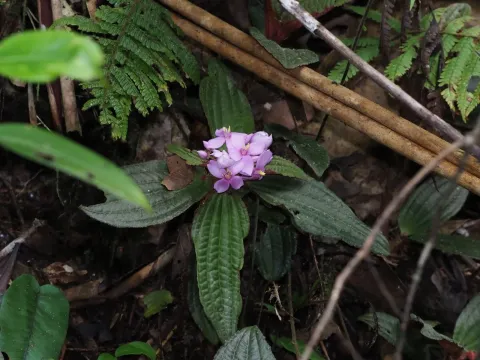
Phyllagathis
Phyllagathis
Phyllagathis is a genus of evergreen herbaceous plants belonging to the Melastomataceae family. Native to the tropical rainforests of Southeast Asia, these plants are renowned for their striking foliage and adaptation to low-light environments.
What the section contains


Phyllagathis
Botanically, they are characterized by their thick, often heart-shaped leaves with prominent venation. Many species exhibit metallic or reddish-purple hues, which are considered their primary aesthetic feature in ornamental cultivation.
The climate requirements for Phyllagathis involve high humidity and consistent temperatures. They thrive in environments that mimic the rainforest floor, meaning protection from direct, harsh sunlight and cold drafts is essential for survival.
Regarding soil requirements, the substrate must be airy and well-draining. A mix of peat moss, perlite, and pine bark is recommended to ensure that the roots receive sufficient oxygen while retaining necessary moisture levels.
Cultural care involves maintaining a steady watering schedule. The soil should remain consistently moist but never waterlogged. Using distilled or rain water is highly recommended to prevent salt buildup which can damage sensitive leaf tissues.
The primary threats to Phyllagathis include fungal pathogens that emerge under conditions of poor ventilation and excessive moisture. Root rot is a common issue that occurs when the substrate does not dry out between waterings.
Pests such as spider mites and mealybugs can infest the plants, especially in dry indoor conditions. These insects target the undersides of leaves, requiring constant vigilance and early detection to manage populations effectively.
- Monitor leaf surfaces for silk webs or white powdery spots.
- Use organic insecticidal soaps to treat localized infestations.
- Ensure proper airflow to inhibit fungal spores from settling.
In cases of severe infestation, systemic fungicides or pesticides may be necessary, but these should be used with caution. Always test a small portion of the plant to check for phytotoxicity before broad application.
Preventive maintenance, including the isolation of new specimens and regular hygiene of the growing area, significantly reduces the risk of pest outbreaks and disease transmission in the greenhouse or home collection.