
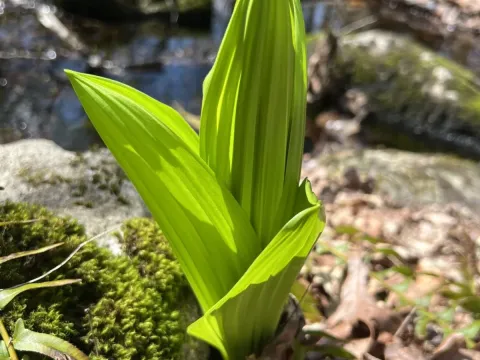
False Hellebore
Veratrum L.
False Hellebore (Veratrum L.) is a robust perennial herb belonging to the Melanthiaceae family. It is natively distributed across diverse ecosystems, ranging from moist alpine meadows to deciduous forest edges in temperate regions.
What the section contains
False Hellebore
The plant requires deep, fertile, and consistently moist soils to achieve optimal growth. Agricultural success depends heavily on site selection where the soil profile remains rich in organic matter and maintains high water-holding capacity throughout the season.
Regarding light conditions, Veratrum favors semi-shaded environments. It thrives in locations protected from harsh, direct sunlight, which can otherwise cause thermal stress and rapid desiccation of the broad, pleated foliage characteristic of the species.
Climatic adaptability is one of the key strengths of this crop, as it is well-suited for temperate climates with cool winters. The plant enters a necessary dormant phase during the cold season, emerging with vigor as soon as soil temperatures rise in the spring.
Standard agronomic practices include systematic weeding during the establishment phase and mulching to retain moisture. Providing a stable environment during the first two years is critical for the development of the rhizome system.
Due to the presence of potent steroidal alkaloids, Veratrum is naturally resistant to many common agricultural pests. However, it is not completely immune to specialized herbivorous insects that have adapted to its chemical defenses.
Leaf-feeding insects, such as specific moth larvae, may occasionally cause damage to the leaves. Monitoring for these pests is essential, particularly in spring when tender new growth is most susceptible to feeding damage.
Fungal diseases constitute the primary threat to the crop, especially in areas with stagnant air or excessive precipitation. Leaf spots and crown rot can quickly diminish the vitality of the plant if not addressed promptly with appropriate cultural adjustments.
Integrated pest management strategies are recommended, focusing on maintaining proper spacing to ensure adequate airflow between plants. This simple technique significantly reduces the humidity levels that favor fungal spore germination.
In cases of severe infection, targeted fungicide application may be necessary. However, growers should always prioritize the physical removal of diseased foliage to minimize the source of inoculum and protect the overall health of the plantation.