
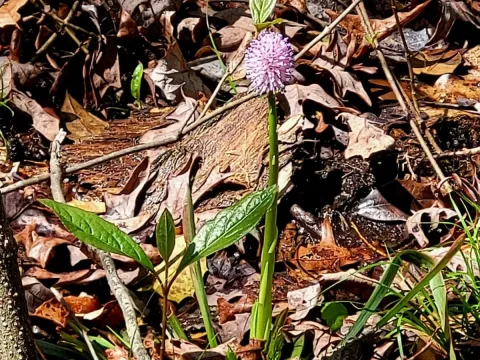
Helonias
Helonias
Helonias is a genus of perennial herbs belonging to the Melanthiaceae family. It is best known for its singular species, Helonias bullata, often referred to as 'swamp pink' due to its distinct pink, raceme-like flower clusters that appear in the spring.
What the section contains


Helonias
The plant is native to the eastern United States, where it thrives in wetlands, swamps, and boggy woodland areas. It forms a basal rosette of evergreen leaves, which makes it a unique addition to moist garden environments.
The primary requirement for Helonias is a consistently moist, acidic soil. It requires a substrate rich in peat and organic matter, effectively mimicking the conditions of its natural forest wetland habitats.
Regarding light, this plant prefers dappled shade. Exposure to intense, direct sun can cause the leaves to wilt and the substrate to dry out, which is detrimental to the health and development of the root system.
In terms of climate, Helonias prefers temperate conditions. It is relatively hardy but requires protection from desiccating winter winds and should be kept away from areas prone to severe, rapid fluctuations in soil moisture.
Root rot is the most significant threat to Helonias, often caused by stagnant water in poorly drained soil. While the plant loves moisture, it requires adequate aeration to prevent the onset of fungal pathogens.
Slugs and snails are the most common pests, as they are attracted to the succulent nature of the foliage. Implementing protective barriers around the plants is an effective management strategy in the home garden.
Foliar diseases may occur in stagnant, humid environments where air circulation is limited. Thinning out overcrowded plantings helps reduce the risk of mold and bacterial spots.
Nutrient deficiency, specifically related to improper soil pH, can lead to chlorosis. Maintaining an acidic environment with the use of sphagnum peat or specialized fertilizers is essential for foliage health.
During the winter, severe frost heave can damage the shallow root systems. Providing a layer of pine needle or bark mulch is recommended to regulate soil temperature and moisture levels throughout the dormant season.