
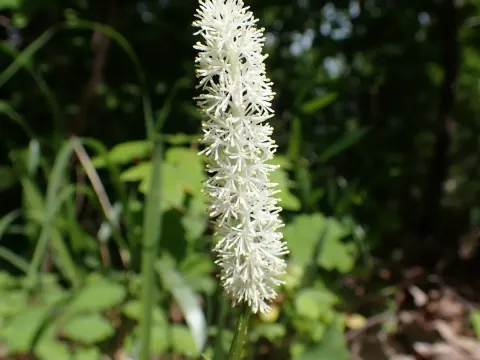
Chamaelirium
Chamaelirium
Propagation of Chamaelirium is primarily achieved through seeds or by dividing rhizomes in the spring. Seeds require a period of stratification to improve germination rates, so planting in late autumn or early spring is recommended.
What the section contains


Chamaelirium
The seeds have a slow germination process, requiring a stable environment and moist, well-draining soil to ensure the successful development of young seedlings in their first season.
In the first year of growth, seedlings develop only a small basal rosette of leaves. It is crucial to monitor moisture levels carefully, as both dehydration and excessive wetness can be detrimental to the plants.
Vegetative propagation involves dividing mature rhizomes, ensuring each segment has at least one healthy bud for regrowth. This is the most reliable method for establishing a new production plot.
When transplanting, maintain a spacing of at least 20–30 centimeters between plants to allow adequate room for rhizome development, which is the primary economic goal for farmers.
Chamaelirium is a perennial herbaceous plant from the Melanthiaceae family, native to the forest ecosystems of North America, where it thrives in shady and moist environments.
The plant prefers rich, slightly acidic or neutral soil with excellent drainage. Excessive soil compaction or alkalinity can lead to stunted growth and nutrient deficiencies within the plant.
As a shade-loving species, Chamaelirium requires significant protection from direct sunlight. In commercial operations, shade cloth or tree canopy cover is essential to prevent leaf scorch.
Agronomic management relies heavily on mulching with organic leaf litter, which helps maintain consistent soil moisture and provides a habitat similar to the plant's natural woodland floor.
Systematic watering is required to maintain the soil in a balanced state, avoiding both waterlogging and severe droughts, which can damage the sensitive root system.
The economic value of Chamaelirium lies in the harvest of its rhizomes, which are rich in medicinal steroidal saponins. Cultivation requires patience as the crop matures over 3 to 5 years.
Yield quality is heavily dependent on maintaining a consistent growth environment, as the plant is sensitive to environmental stress and requires steady conditions for biomass accumulation.
Optimizing the nutritional content of the soil through organic compost application can significantly increase root density, leading to higher dry matter yields at harvest time.
Effective weed management is necessary to prevent competition for resources, as Chamaelirium is a slow-growing species and can be easily overwhelmed by faster-growing invasive vegetation.
The total yield is assessed after the rhizomes reach full maturity, ensuring the desired concentration of medicinal compounds required by the pharmaceutical industry is achieved.
Fungal diseases represent the most significant threat to the crop, often arising when soil aeration is poor or when excessive moisture creates an environment for root rot pathogens.
Pests such as slugs and snails are highly attracted to the tender rosettes of young plants, causing significant damage that can weaken the entire plant if left unchecked.
Root-knot nematodes can severely impact the productivity of the rhizomes. To mitigate this risk, farmers must use high-quality, certified planting stock and follow strict field hygiene protocols.
Aphids may target the flower stalks, potentially reducing the energy available for root development. Regular inspection of the field is necessary to apply timely organic controls.
Late spring frosts can damage emergent growth, making it necessary to provide protective covers such as horticultural fleece to ensure the plants survive the transition to the growing season.
Harvesting takes place in late autumn when the plant has entered dormancy and the energy has retreated from the foliage into the rhizomes, maximizing the concentration of active compounds.
The rhizomes are carefully excavated to avoid mechanical damage. Any nicks or cuts during the digging process can serve as entry points for pathogens and lead to post-harvest decay.
After removal, the roots are thoroughly cleaned using clean water to remove all soil particles, ensuring the final product meets pharmaceutical quality standards.
Controlled drying at temperatures below 45 degrees Celsius is critical to preserve the integrity of the active saponins and to prevent spoilage during long-term storage.
Final storage must occur in a cool, dry, and dark environment, preferably in breathable containers, to protect the quality of the raw material until it is shipped for processing.