
Long-bracted false hellebore
Veratrum longibracteatum
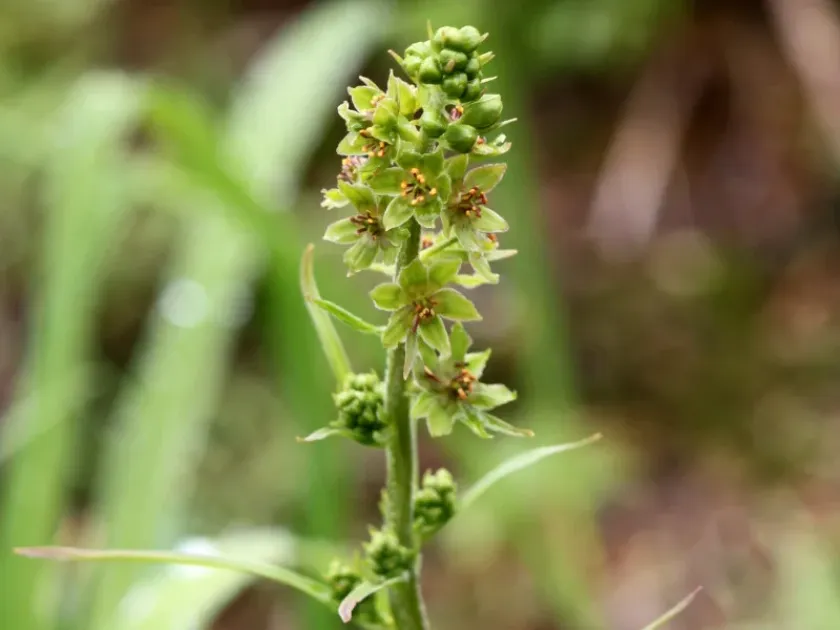
Description
Growing requirements
The long-bracted false hellebore belongs to the Melanthiaceae family and is a perennial herb characterized by a stout, creeping rhizome. It is native to the temperate regions of East Asia, where it thrives in moist forests and meadows.
Successful cultivation of this species requires deep, humus-rich soil with a consistently moist regime. The plant is sensitive to drought, making adequate soil moisture management essential for its growth.
Environmental conditions should mimic its natural habitat, which typically involves partial shade. Excessive exposure to direct sunlight during summer months can damage the foliage and inhibit the development of the root system.
Agronomic practices focus on maintaining soil fertility through organic amendments. As the plant is long-lived, site preparation should include deep tillage to accommodate the extensive root network.
The primary utility of the plant lies in its pharmaceutical potential due to its alkaloid content. Growers must emphasize safety protocols as all parts of the plant are highly toxic and pose significant risks if ingested.
Main diseases and pests
Although the plant's toxicity deters many pests, it can still be vulnerable to certain leaf-eating beetles during the peak growing season.
Fungal pathogens such as leaf rust and powdery mildew can occur if the humidity levels are too high and the air circulation around the plants is poor.
Root rot is the most serious threat, usually associated with poor drainage and waterlogged soil conditions during the dormant period.
Proactive management includes ensuring wide spacing between plants and maintaining a clean field to prevent the buildup of soil-borne pathogens.
Biological control agents are preferred over chemical pesticides to preserve the purity of the harvested medicinal raw materials.