
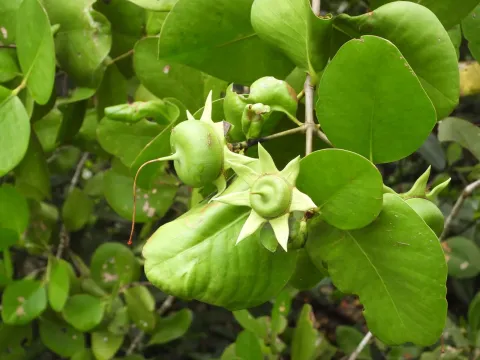
Sonneratia alba
Sonneratia alba
Sonneratia alba, commonly known as the mangrove apple or white mangrove, is a tree species belonging to the Lythraceae family. It is a foundational species in tropical mangrove ecosystems, renowned for its ability to thrive in intertidal zones with high salinity levels.
What the section contains
Sonneratia alba
The plant exhibits distinct botanical adaptations, most notably its pneumatophores (air-roots). These specialized roots grow vertically upwards from the mud to absorb oxygen, allowing the tree to survive in waterlogged, anaerobic soil conditions where other plants would fail to grow.
Regarding environmental requirements, Sonneratia alba favors areas with consistent tidal influence and nutrient-rich silt or sandy substrates. It requires a warm, humid tropical climate and is highly resilient to strong solar radiation, making it an excellent candidate for coastal protection projects.
While not a traditional commodity crop, cultivation focuses on silviculture and coastal restoration. Techniques involve the nursery propagation of seeds followed by strategic transplantation into muddy shorelines that mimic the natural hydrological cycles of the target habitat.
Economic and utility-based applications of the species are diverse. The wood is utilized for boat building and structural poles, while the bark and fruits contain tannins and bioactive compounds used in traditional medicine, cosmetics, and food products in various coastal cultures.
The primary threats to this species include large-scale deforestation for aquaculture development and habitat loss due to industrial coastal expansion. Oil pollution and plastic debris also pose significant risks to the health of mangrove stands.
Typical biotic threats include various marine borers and crab species that can severely damage young seedlings. Effective management often involves integrated coastal zone planning and exclusion methods to protect saplings during their most vulnerable stage of development.