
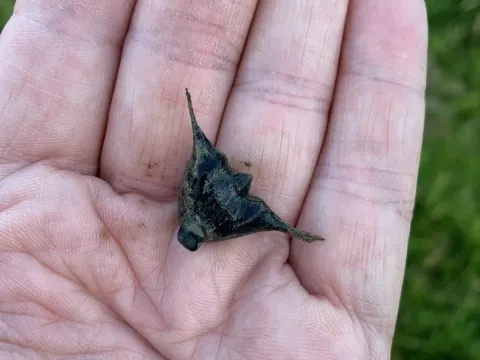
Trapa bispinosa
Trapa bispinosa
Trapa bispinosa, commonly known as Singhara or water caltrop, is an annual aquatic plant belonging to the Lythraceae family. The planting process usually begins in the spring when the water temperature in the pond reaches a consistent 15-18 degrees Celsius.
What the section contains
Trapa bispinosa
For successful growth, seeds or sprouted nuts must be planted in a nutrient-rich, silty substrate on the bottom of the water body. Sowing at a depth of 30-50 centimeters is essential, as this allows the plant to anchor its root system securely while the stem reaches the surface.
The choice of a suitable water body is critical for successful cultivation. Standing or slow-moving ponds are preferred, as they provide the calm environment necessary for the plant to form its characteristic floating rosette of leaves, which are vital for photosynthesis.
Farmers usually plant about 1-2 plants per square meter to ensure adequate space for development. Overcrowding can lead to stunted growth and reduced yields, as the plants compete for sunlight and dissolved nutrients within the confined aquatic space.
In many regions, the plant reproduces through self-seeding. Once the nuts reach maturity, they fall to the pond floor and overwinter in the mud. For controlled cultivation, harvested nuts must be stored in cool, humid conditions to maintain viability.
Water quality is the most significant factor in the cultivation of Trapa bispinosa. The plant thrives in clean, slightly alkaline water with high oxygen levels and minimal pollution, as chemical contaminants can easily accumulate in the nuts.
The optimal water temperature for vigorous growth is between 20-25 degrees Celsius. While the plant is resilient, it struggles in water bodies with high acidity or excessive organic matter that releases sulfurous gases, which can harm the root structure.
The substrate should be composed of silt, clay, or fine sand. A sediment layer of at least 10-15 centimeters is required to support the anchor root, which keeps the plant in place despite water currents or surface disturbances caused by wind.
Sunlight exposure must be maximized for the plant to produce a healthy crop. Floating debris or encroaching bank vegetation can create unwanted shade, which significantly reduces the rate of plant growth and the weight of the developing fruits.
Mineral balance in the water influences the nutritional quality and taste of the Singhara nuts. Managed ponds with a balanced hydrochemical profile produce larger, more flavorful yields, making them more attractive to market demands.
Yields of Trapa bispinosa can range from 500 to 1500 kilograms per hectare depending on pond conditions and seasonal temperatures. The crop is known for its high carbohydrate content, making it a valuable source of food and starch.
The harvest period is typically staggered, as the nuts do not ripen simultaneously. Workers monitor the ponds for color changes in the shell, which turns dark and hardened when the kernel has reached its full nutritional maturity.
Economic value is often maximized through the selection of large-fruited cultivars. Modern agronomic practices emphasize selecting plants with thinner shells, which improves the processing efficiency and increases the edible portion of the yield.
Beyond human consumption, the plant serves secondary roles, such as providing cover for fish in pond ecosystems. This integrated approach to aquaculture can enhance the overall productivity of the farm, providing both harvestable crops and fish resources.
Maintaining a stable population of Trapa requires regular pond management. Removing excess silt or old debris every few years helps prevent soil acidification and ensures that the pond remains a healthy environment for future growing seasons.
The main biological threats to water caltrop plantations include various insect larvae, particularly those of the moth family, which feed on the floating leaves. Such damage reduces the plant's ability to produce energy, directly impacting nut size.
Fungal pathogens and water-borne diseases can attack the plant stems, especially if the water circulation is poor. Maintaining proper water movement is essential to prevent the accumulation of stagnant spots where such pathogens thrive.
Competition from invasive weeds, such as common cattails or reeds, poses a severe risk. These robust plants can quickly overtake a pond, outcompeting the Trapa for nutrients and sunlight, eventually choking out the desired crop.
Environmental stressors, such as severe eutrophication caused by agricultural runoff, can lead to massive blooms of blue-green algae. This depletes the water of essential oxygen and light, causing rapid die-offs of the Trapa crop.
Climate instability, particularly during long drought periods that lower water levels, can be disastrous. Shallow water exposes the plants to excessive heat and mechanical stress, which can cause stem breakage and total crop failure.
Harvesting is a manual, labor-intensive process, typically performed using small flat-bottomed boats. Collectors must be careful not to crush the foliage, as the plants remain active until the very end of the growing cycle.
Specialized tools like nets, scoops, and rakes are used to gather the nuts from the water surface or from the pond floor. Since mature nuts naturally detach and sink, thorough bottom-cleaning is often necessary to recover the full yield.
Post-harvest processing involves cleaning the nuts to remove surface mud and organic debris. They must then be dried in a shaded, well-ventilated area to prevent spoilage and ensure the nuts stay in good condition for market or storage.
Storage requires cool temperatures and constant high humidity to prevent the kernels from dehydrating or becoming rancid. The durable outer shell provides natural protection, but monitoring for mold remains a standard part of storage management.
Processing the final product involves cracking the hard shell to retrieve the edible kernel. Industrial-scale producers use mechanical crushers to optimize this step, allowing for the consistent production of high-quality Singhara kernels for the food industry.