
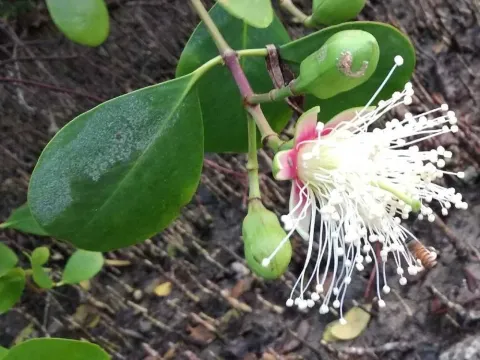
Sonneratia lanceolata
Sonneratia lanceolata
Sonneratia lanceolata is a distinctive species belonging to the Lythraceae family, well-adapted to the saline, waterlogged environments characteristic of tropical mangroves. This plant plays a vital role in coastal stabilization and supporting diverse aquatic ecosystems.
What the section contains
Sonneratia lanceolata
The botanical structure of the plant is highlighted by its lance-shaped leaves and highly specialized pneumatophores. These vertical root structures act as a respiratory mechanism, allowing the tree to extract oxygen from the atmosphere while the lower root systems are submerged in deep, anaerobic mud.
Growing conditions for this species are strictly dictated by the intertidal zone requirements. It thrives in humid tropical climates and requires soils that are rich in organic silts and marine deposits to provide the necessary nutrients for its development.
In terms of agricultural and ecological management, maintaining water quality is paramount. The salinity levels must remain within a specific range, mimicking natural tidal cycles to prevent stress on the tree's physiological processes, which are sensitive to abrupt changes in chemical composition.
The economic and ecological utility of Sonneratia lanceolata is primarily recognized in habitat restoration and erosion control. Beyond its protective role, the plant yields fruits that are culturally significant in regional culinary practices and provides wood known for its natural resistance to environmental degradation.