
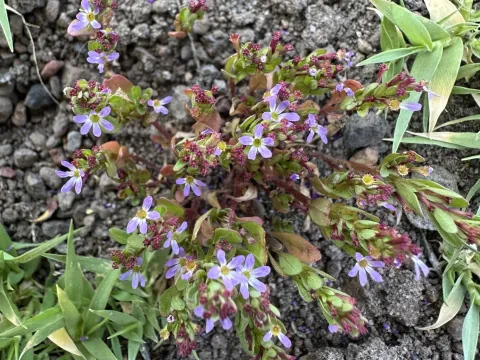
Three-bract loosestrife
Lythrum tribracteatum
The Three-bract loosestrife (Lythrum tribracteatum) is a specialized member of the Lythraceae family, naturally adapted to environments characterized by fluctuating water levels. In its native habitat, the species thrives on margins of temporary pools and wet depressions where soil moisture is seasonally abundant.
What the section contains
Three-bract loosestrife
For successful cultivation, sowing should be conducted in early spring once soil temperatures have risen sufficiently to support germination. Because the seeds are tiny and require light for optimal activation, they should be surface-sown or covered with a very thin layer of fine substrate.
Maintaining high humidity is crucial during the germination phase. Growers often employ a misting system or covers to prevent the surface soil from drying out, as even brief periods of drought during this stage can result in total loss of seedlings.
The seeding density must be managed carefully to ensure that developing plants have sufficient space to form a robust root system. Proper spacing prevents intra-species competition, allowing each plant to reach its full vegetative potential before the onset of the heat of summer.
Direct seeding in suitable wetland sites is common in environmental restoration projects. However, for controlled cultivation, starting seeds in modules or containers is highly recommended to ensure uniform establishment before transplanting into more challenging conditions.
The species has specific environmental requirements, demanding high levels of sunlight and a consistent supply of moisture. It is best suited for planting in locations that mimic its natural wetland ecology, such as pond margins or water-retentive clay soils.
Soil structure should be rich in organic matter to hold moisture effectively. While the plant is adapted to moist conditions, it prefers soil that offers some aeration, avoiding stagnant conditions that could lead to root suffocation or anaerobic decay.
Temperature plays a major role in the active growth phase, as the plant originates from Mediterranean-type climates. It thrives in warm conditions, typically ranging from 20 to 28 degrees Celsius, and should be protected from late spring frosts that can damage tender new shoots.
Maintenance involves diligent monitoring of the water level around the root zone. During periods of low precipitation, supplemental irrigation is necessary to maintain the turgor of the stems, as water stress can significantly reduce its growth rate and vitality.
Fertilization should be applied sparingly, focusing on balanced nutrients that support general health rather than aggressive vegetative growth. Excessive nitrogen input should be avoided, as it can weaken stem integrity and make the plants more susceptible to lodging and pests.
Fungal pathogens represent the most significant threat to the health of Three-bract loosestrife, particularly during seasons of high humidity and poor air circulation. Powdery mildew is a common concern that can affect leaf surfaces and reduce the plant's overall aesthetic value.
Insect pests, including various species of aphids, may infest the tender shoot tips, particularly when plants are grown in confined or non-native habitats. Regular monitoring allows for the implementation of integrated pest management strategies, such as biological controls.
Root rot is a major risk factor if the planting site lacks proper drainage, causing water to pool for extended periods without oxygen exchange. Ensuring a slight gradient in planting areas can help maintain the necessary flow of water and prevent the development of root pathogens.
Competition from invasive or highly aggressive weeds can stifle the growth of the loosestrife during its early developmental stages. Regular manual weeding or the use of organic mulches is advised to keep the area clear until the plants are sufficiently established.
To prevent the spread of diseases, it is vital to practice good hygiene in the growing area, including the immediate removal of infected plant material. This practice significantly limits the potential for disease transmission across the entire planting area.