
Adenaria floribunda
Adenaria floribunda
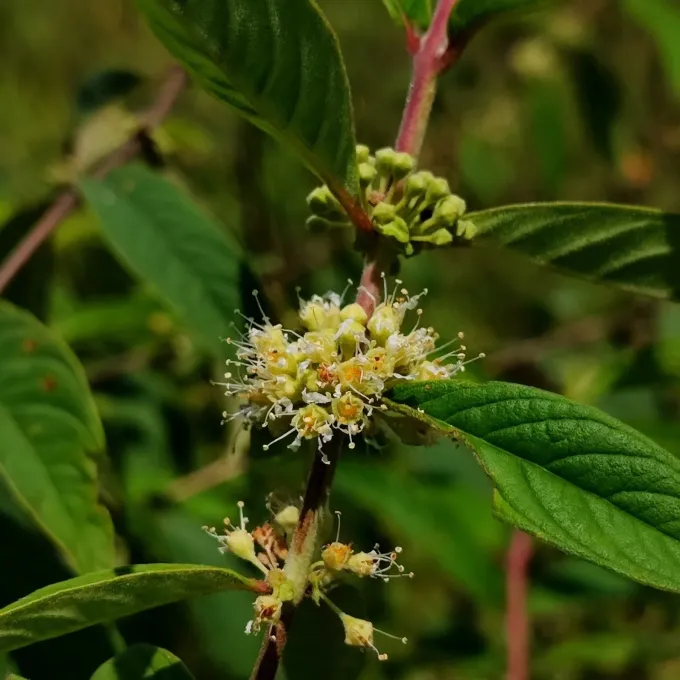
Description
Growing requirements
Adenaria floribunda is a perennial woody plant belonging to the Lythraceae family. Native to the tropical regions of Central and South America, it thrives in warm, humid environments with consistent sunlight.
For optimal growth, this plant requires fertile, well-draining soil. It is commonly found in nature along riverbanks and forest margins where moisture availability is high but water stagnation is avoided.
The climate requirements for this species are strictly tropical. It cannot withstand frost or significant drops in temperature, which dictates its narrow geographical distribution for potential cultivation.
Botanically, the plant is characterized by its profuse flowering ability. Its small, densely packed flowers provide a massive nectar source, making it highly attractive to various pollinators.
In terms of agricultural utility, Adenaria floribunda is primarily recognized as a valuable honey plant. Its ability to sustain bee populations in tropical climates makes it a significant asset for local beekeeping industries.
Main diseases and pests
The primary threats to Adenaria floribunda include leaf-eating insects and aphids that tend to colonize the plant during the peak vegetative stage.
Fungal diseases, particularly those affecting the root system or causing leaf spots, can arise if the soil remains waterlogged for extended periods.
Management of these threats involves proper spacing between individual plants to ensure adequate ventilation and sunlight penetration into the foliage.
In cases of severe infestation, biological controls are preferred to chemical treatments to preserve the plant's viability as a honey source for pollinators.
Regular monitoring of the plant's health is advised, particularly during the rainy season when the risk of fungal proliferation is at its highest.