
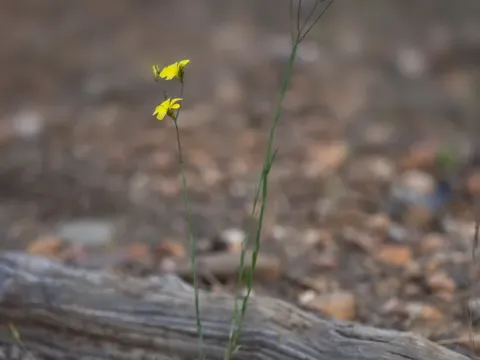
Linum tenue
Linum tenue
Linum tenue is a species of flowering plant in the Linaceae family. This botanical entity is recognized for its adaptive properties, making it a subject of interest in both conservation and agricultural studies regarding its native range.
What the section contains
Linum tenue
The sowing process for this crop requires precise timing to align with the soil temperature increase in spring. Warming of the topsoil to at least 8–10 degrees Celsius is the primary prerequisite for initiating field work.
Agrotechnical standards emphasize the use of high-quality, pre-cleaned seeds. Uniform distribution across the field is achieved through calibrated sowing equipment, which helps maintain the desired plant density per hectare.
The planting depth is typically kept shallow, ranging from 1.5 to 2 centimeters. This ensures that the seeds have sufficient energy to reach the surface while avoiding desiccation in the upper soil profile.
Post-sowing operations, such as light rolling of the soil, are recommended. This improves the contact between the seed and soil particles, facilitating efficient moisture absorption necessary for uniform germination.
The environmental requirements for the crop focus on well-drained, fertile soil types. Linum tenue thrives in conditions where root aeration is not compromised, as waterlogging is highly detrimental to plant development.
Photoperiod and light intensity play a crucial role in the development of the plant. As a light-loving species, it performs best in open fields, away from shadows that could inhibit the process of photosynthesis.
Moisture requirements are consistent throughout the vegetative period. Maintaining adequate soil water levels is particularly important during the flowering phase, which determines the potential for successful seed setting.
The crop prefers a temperate climate and is sensitive to extreme heat during the maturation stages. Adaptability to temperature fluctuations is a key characteristic, though extreme frost can cause damage to tender shoots.
Soil nutrient management must be proactive. The application of balanced fertilizers, containing nitrogen, phosphorus, and potassium, is essential to sustain growth and ensure the structural integrity of the stems.
Fungal diseases constitute the primary threat to the stability of the crop. Fusarium wilt is particularly concerning, as it causes systemic infection within the plant vascular system, leading to rapid decline.
Anthracnose is another prevalent disease that manifests as necrotic spots on the foliage and stems. Effective management relies on crop rotation practices and the application of appropriate fungicidal treatments if necessary.
Pest pressures are most intense during the seedling stage, specifically from flax beetles. These insects can cause significant damage in a short period, necessitating constant monitoring of crop status during early spring.
During the seed-filling stage, larvae of various moth species may infest the seed capsules. This damage reduces total yield and compromises the quality of the harvested seeds for further use.
Integrated pest management strategies are recommended to mitigate these threats. By combining cultural practices, such as weed removal, with targeted interventions, farmers can maintain healthy crops throughout the season.