
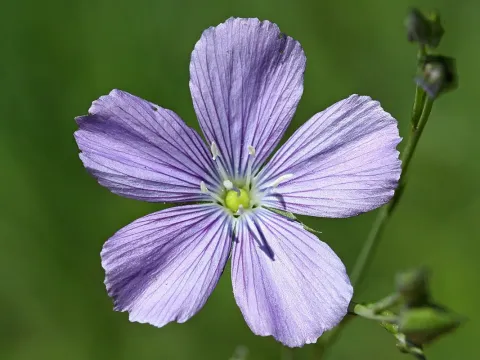
Linum hologynum
Linum hologynum
Linum hologynum is a perennial herbaceous plant belonging to the Linaceae family. This species is native to the Balkan Peninsula, where it primarily inhabits dry, rocky terrains and limestone slopes, demonstrating significant adaptation to arid environments.
What the section contains
Linum hologynum
The plant thrives in Mediterranean climate conditions, characterized by hot, dry summers and mild winters. It requires direct sunlight for the majority of the day to ensure healthy growth and development of its characteristic flowers.
Soil requirements for Linum hologynum are specific: it necessitates well-draining, calcareous substrates with a neutral to slightly alkaline pH. Excessive moisture or waterlogging is highly detrimental to the root system, often leading to rapid decline.
Botanically, the species is distinguished by its specific pistil structure, which serves as a key diagnostic feature. The plant typically presents slender stems and a compact growth habit, typical of many xerophytic flax species found in the region.
In terms of agricultural or industrial utility, this species is not cultivated for fiber or oil production. Its primary value lies in its genetic diversity, offering researchers insights into drought tolerance and resilience traits relevant to modern crop improvement programs.
The main threats to Linum hologynum include various fungal pathogens, particularly those causing root rot and vascular wilt. These diseases are most prevalent in cultivation when soil drainage is insufficient or atmospheric humidity remains high for extended periods.
Insect pests such as flax thrips and certain coleopterans can cause significant damage to the plant's vegetative parts. These pests not only reduce the aesthetic quality of the plant but can also inhibit seed production by damaging flower buds.
Environmental vulnerability is a critical concern, as the species is adapted to specialized niches. Disruptions in soil chemistry or exposure to agricultural chemicals can negatively impact the plant's natural health and ability to resist disease.
Integrated pest management in a controlled environment involves strict moisture control and the maintenance of a well-aerated soil profile. Reducing stress factors is the most effective way to prevent the onset of common diseases.
Conservation of the species requires minimizing interference with natural ecosystems and avoiding the use of broad-spectrum pesticides, which can have unpredictable impacts on the plant's physiology and surrounding microbiota.