
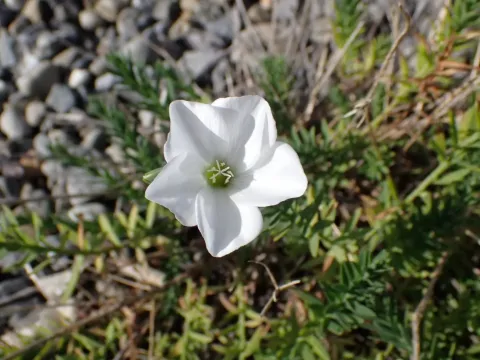
New Zealand linen
Linum monogynum
Linum monogynum, known as New Zealand linen, is a herbaceous perennial member of the Linaceae family. This species is native to New Zealand and is distinct for its beautiful white flowers and compact growth habit.
What the section contains
New Zealand linen
Seeds should be sown in late winter or early spring using a well-draining seed-starting mix. Covering the seeds lightly with vermiculite helps maintain the necessary moisture levels for germination.
Once seedlings have developed two sets of true leaves, they should be transplanted into individual containers. This process helps build a stronger root system before the plants are moved outdoors.
Hardening off the plants is a crucial step before final planting. Gradually expose the seedlings to outdoor temperatures over a week to prevent transplant shock.
Select a location with full sun and excellent drainage. Spacing should be approximately 30-40 cm apart to ensure proper airflow and minimize the risk of disease spread between individual plants.
The plant thrives in sandy or rocky soils with good drainage. Heavy clay soils are unsuitable and will likely cause root rot, which is the primary reason for failure in cultivating this species.
Linum monogynum requires full sun to maintain its shape and ensure prolific blooming. If grown in partial shade, the stems tend to elongate and may require staking to remain upright.
Watering should be done deeply but infrequently. Allow the top layer of the soil to dry out completely before providing more water, as this mimics the plant's natural environmental conditions.
Avoid excessive fertilization. A light application of a balanced, slow-release fertilizer in early spring is usually sufficient to support growth without causing overly lush, soft tissue.
In regions with cold winters, this plant requires protection or should be grown in containers that can be moved to a frost-free environment, as it is not tolerant of prolonged freezing.
Root rot caused by waterlogged soil is the most significant threat. Ensuring a loose, well-draining substrate is the best preventative measure against this physiological issue.
Pests like aphids may target tender new growth during warm, dry spells. Regular inspection is recommended, and if necessary, use mild insecticidal soaps to manage populations.
Powdery mildew can occur in areas with poor air circulation or high humidity. Trimming crowded foliage can help reduce the incidence of this fungal issue.
It is important to keep the area around the plants clear of weeds, as they can compete for light and nutrients while also harboring various insect pests and diseases.
During the dormant season, remove dead or damaged branches to maintain plant health. This promotes new growth and keeps the plant looking tidy throughout the next growing season.