
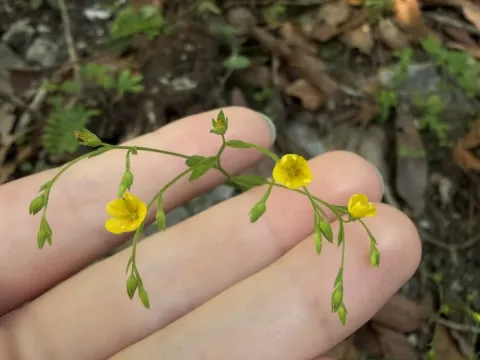
Nelson's flax
Linum nelsonii
Nelson's flax (Linum nelsonii) is a perennial herbaceous species belonging to the Linaceae family. It is recognized for its delicate foliage and typically blue flowers that thrive in open, natural habitats.
What the section contains
Nelson's flax
Sowing should ideally take place in the spring once the soil temperature is stable. Seeds require a well-prepared seedbed that is free from perennial weeds to ensure successful establishment.
Given the small size of the seeds, they should be sown shallowly, just below the surface, to allow adequate light penetration which triggers germination.
The spacing between plants must be carefully managed to prevent overcrowding, as this species performs best when it has sufficient air circulation and exposure to sunlight.
Once established, the plants develop a woody base and a deep root system, allowing them to withstand various environmental stressors over multiple growing seasons.
This species is highly adapted to well-drained, rocky, or sandy soils. It is extremely sensitive to waterlogged conditions, which can quickly lead to root decay and overall plant failure.
Full sun is a strict requirement for Nelson's flax. In shaded environments, the plants tend to become leggy and rarely produce their characteristic profuse bloom.
Regarding moisture, the plant is moderately drought-tolerant. It is better to allow the soil to dry out between watering sessions rather than keeping it consistently damp.
Soil pH should ideally be neutral or slightly alkaline. The plant does not perform well in highly acidic or heavy, clay-based soils, which often require extensive modification.
Environmental stability is important, but once rooted, the plants show good resistance to wind and moderate temperature fluctuations typical of their native range.
Root rot is the most common threat to this crop, usually resulting from poor drainage or excessive irrigation practices that keep the rhizosphere saturated.
Pests like the flax flea beetle are frequent intruders that feed on cotyledons and young leaves. Proactive monitoring and timely pesticide application are necessary to save young seedlings.
Fungal diseases, such as rust, can manifest in humid, stagnant conditions. Ensuring good ventilation between plants is the primary cultural practice to mitigate this risk.
Weed competition is a critical threat during the establishment phase. Weeds can outcompete the slow-growing seedlings for light, nutrients, and moisture effectively.
Overall plant health is highly dependent on a proactive integrated pest management strategy that emphasizes preventative care rather than curative chemical intervention.
Harvesting for seed production should occur when the seed capsules turn brown and begin to dry naturally on the plant. Early harvesting leads to immature seeds.
Mechanical harvesting is generally not applicable due to the specific growth habit of the plant; therefore, hand-harvesting is the preferred method for maintaining quality.
After collecting the capsules, they should be stored in a dry, ventilated area to complete the drying process before threshing to extract the seeds.
Proper cleaning of the harvested material is essential to remove chaff and debris, which can otherwise harbor pathogens if stored together with the seeds.
Storing the cleaned seeds in cool, dry conditions maintains their viability for future planting seasons, preventing moisture-related spoilage during storage.