
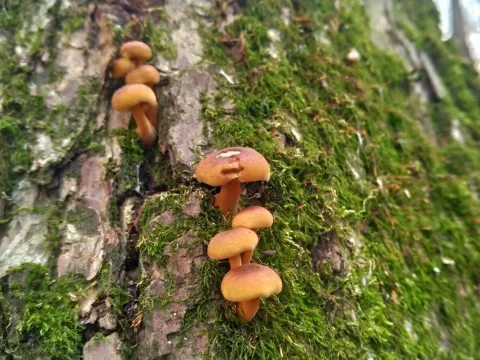
Flammulina
Flammulina
Flammulina velutipes, widely known as the winter mushroom or Enoki, is a unique cultivated fungus belonging to the Physalacriaceae family. The inoculation of substrate blocks is primarily scheduled for the autumn and winter months to align with the species' preference for cooler ambient temperatures.
What the section contains

Flammulina
Commercial cultivation starts with the preparation of sterile substrate, followed by the introduction of high-quality mycelium. The colonization phase requires complete darkness and a stable temperature, ensuring the fungus fully dominates the nutrient-rich medium before the fruiting stage begins.
The substrate is traditionally formulated from hardwood sawdust mixed with rice bran or wheat flour to provide essential nitrogen. Maintaining a moisture level of approximately 65-70% is crucial for the vigorous development of the mycelial network during the incubation period.
Climate control is the most critical aspect of growing Flammulina. While mycelium grows at 20-25°C, triggering fruit body development requires a significant temperature drop to 10-15°C. High humidity levels, often reaching 90%, must be maintained to prevent the drying of delicate caps.
Light management is unique for this crop: while total darkness is avoided, strictly limited light is applied during the final growth stages. This technique forces the mushrooms to develop long, slender stalks, which is the standard aesthetic expected in the culinary industry.
With optimized indoor farming practices, producers can achieve a yield efficiency of 20-30% based on the dry weight of the substrate. The crop is typically harvested in multiple flushes, allowing farmers to maximize output from the same substrate blocks over several weeks of operation.
The main biological threats include fungal pathogens such as Trichoderma, which can rapidly colonize and ruin substrate blocks. Prevention involves maintaining strict hygiene standards in the laboratory and production rooms, combined with advanced air filtration systems.
Pests such as mushroom flies (Sciaridae) are frequently observed in greenhouses. Controlling these populations requires a combination of physical barriers, such as micro-mesh screens, and the prompt removal of any decaying organic matter or contaminated material from the production area.
Harvesting is performed by removing the entire cluster of mushrooms once the caps reach the desired size but before they flatten significantly. This manual method ensures that the product maintains its signature look and freshness, which is vital for high-end retail packaging and quality control.