
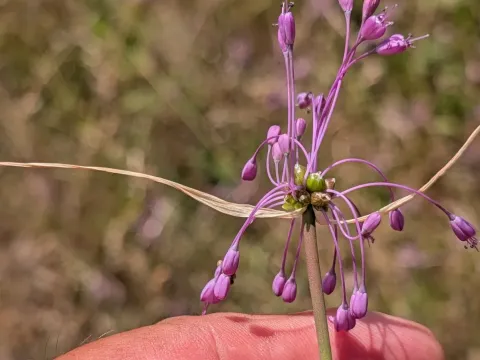
Flexuous onion
Allium flexum
Sowing seeds of the flexuous onion should be carried out in the spring, once the soil temperature is consistently high enough to support germination.
What the section contains
Flexuous onion
The seeds should be planted at a shallow depth of about 1.5 to 2 centimeters to ensure they emerge uniformly through the surface of the growing medium.
Fall sowing is also a viable option in milder climates, allowing for natural stratification during winter, which often leads to stronger seedling emergence in the spring.
Prior to sowing, it is beneficial to soak the seeds in water or a plant growth stimulant, which significantly increases the overall germination rate and energy.
Proper spacing between rows is essential for the healthy development of each plant, preventing overcrowding and ensuring adequate air circulation across the plot.
The flexuous onion, belonging to the Amaryllidaceae family, is a hardy perennial species that is well-adapted to varied environmental conditions in its native range.
For optimal growth, it requires well-drained, fertile, and light soil with a neutral pH, preventing the waterlogging that often leads to bulb rot in onions.
This crop thrives in sunny, open locations where it can receive maximum light, which is crucial for building the flavor profile and aromatic oils in its foliage.
While the plant is quite resilient, it requires consistent moisture throughout the growing season, though it should never be left sitting in saturated soil.
Mulching is a highly recommended practice, as it helps to regulate soil temperature and moisture levels, which protects the roots during hot summer months.
The yield of flexuous onion depends significantly on proper soil nutrition, regular irrigation, and the effective management of weed populations in the early stages.
Since it is a perennial species, established plantings can provide multiple harvests of fresh greens over several growing seasons without the need for replanting.
The culinary utility of the plant is high, making it a sought-after ingredient for those interested in specialty herbs and wild-flavored vegetables in the kitchen.
Frequent, careful harvesting of leaves promotes more vigorous regrowth, allowing gardeners and farmers to maximize the total green mass produced per unit area.
In a professional setting, providing balanced nitrogen and potassium inputs helps sustain high yield levels and promotes the long-term vigor of the onion patch.
The primary threats to this onion species include various fungal infections, such as downy mildew, which can decimate the foliage under humid, stagnant conditions.
Insect pests like the onion fly represent a major threat to both the root systems and the bulb, often requiring vigilant monitoring to prevent significant damage.
Implementing an integrated pest management strategy is the best approach to mitigate these threats, focusing on both cultural and biological control methods.
- Maintaining crop rotation to disrupt the life cycles of specific onion pests.
- Ensuring proper spacing to improve air circulation and reduce humidity.
- Removing all plant debris at the end of the season to eliminate nesting sites.
Chemical intervention should be used as a last resort and only when products are specifically approved for use on edible onion crops during the relevant growth phase.
Green leaves should be harvested once they reach a height of approximately 15 to 20 centimeters, which provides a high-quality product for culinary use.
Bulbs meant for long-term storage must only be harvested once the foliage begins to yellow and wither, indicating that the bulb has reached maturity.
Harvesting should be done during a dry window of weather, as damp bulbs are highly susceptible to rot if stored without sufficient initial drying and curing.
After the harvest, bulbs should be laid out in a single layer in a shaded, well-ventilated area to cure properly for several days before being moved to storage.
Storing the cured bulbs in a cool, dark environment with low humidity is essential for maximizing shelf life throughout the off-season period.