
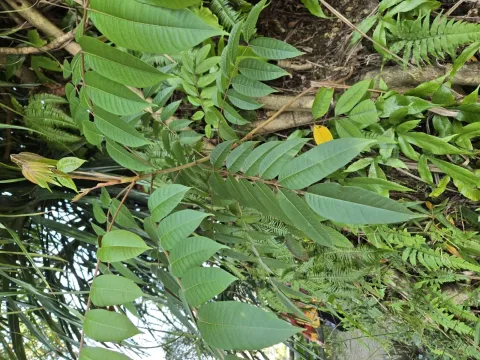
Forest sumac
Rhus sylvestris
Propagating Forest sumac from seeds requires a thorough stratification process, typically lasting 2–3 months under cool, moist conditions to break dormancy.
What the section contains
Forest sumac
Spring sowing is the preferred method, performed once the risk of frost has passed and soil temperatures have reached a stable, warm range.
Alternatively, vegetative propagation can be achieved by carefully removing root suckers from healthy mature specimens during the dormant season.
Proper spacing is essential when planting seedlings, ensuring each plant has sufficient access to sunlight and airflow for optimal development.
Transplanting should be handled with care to preserve the delicate root system, as Forest sumac can be sensitive to immediate post-planting stress.
Rhus sylvestris is a member of the Anacardiaceae family, primarily growing as a shrub or small tree in temperate environments with good exposure.
The plant thrives in well-draining, slightly acidic to neutral soils, though it shows remarkable adaptability to various soil compositions including sand and clay.
While known for moderate drought tolerance once established, consistent irrigation during the initial growing stages will significantly improve plant vigor.
The species requires a location with full to partial sun to maintain its structural integrity and ensure the vibrant coloration of its foliage.
Protecting the plant from extreme, desiccating winter winds is advisable, especially in colder regions where tissue damage might otherwise occur.
The economic value of Forest sumac is primarily derived from its bark and leaves, which are rich in tannins utilized by the leather industry.
Yield capacity is influenced by consistent pruning practices, which encourage the development of new, healthy stems throughout the growing season.
Beyond its industrial uses, Forest sumac serves as a vital resource for honey production, providing early season nectar for local bee populations.
Sustainable harvesting techniques ensure that the plant maintains its regenerative ability, allowing for repeated collection over many consecutive years.
Maximizing yield requires a balanced approach to soil fertilization, emphasizing organic inputs that sustain long-term fertility without damaging root health.
Forest sumac is generally robust against common plant diseases, though root rot may appear if the soil is chronically waterlogged or poorly aerated.
Aphids represent a common pest threat, particularly during the early spring flush when tender new growth is most vulnerable to infestation.
Good cultural practices, such as removing debris from around the base, are the first line of defense against both fungal spores and overwintering pests.
Integrated pest management strategies should be prioritized, focusing on natural predators before considering chemical interventions for control.
Monitoring the foliage for signs of chlorosis or leaf spot helps in identifying nutritional deficiencies or mild pathogen attacks before they become severe.
Harvesting bark for tannin extraction is performed during the active growing season, utilizing techniques that minimize damage to the tree's vascular system.
Leaves should be collected on dry days to ensure they dry quickly and maintain the integrity of their chemical compounds, such as tannins and resins.
After harvesting, the material should be spread in thin layers in a shaded, well-ventilated area to prevent degradation caused by heat or humidity.
Storage of the finished product requires cool, dry containers to protect the raw material from moisture-induced spoilage or mold development.
Professional harvesters emphasize that maintaining clean tools is vital to prevent the spread of infections between individual plants during the collection process.