
Linum elegans
Linum elegans
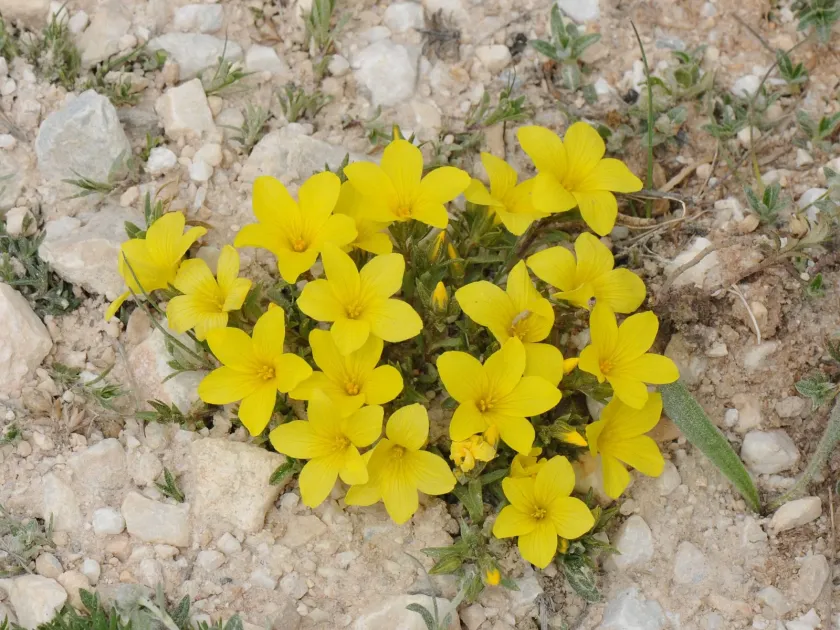
Description
Sowing dates
Linum elegans is a thermophilic crop; therefore, sowing should only be performed once stable warm weather has settled and the soil temperature reaches at least 10–12 degrees Celsius.
The optimal time for planting is typically the second half of April or early May, depending on the climatic zone and specific regional weather patterns.
Seeds should be sown at a depth of no more than 1–2 centimeters, as they are quite small and require shallow placement for successful germination.
For uniform emergence, the seedbed must be carefully prepared: leveled, cleared of weeds, and slightly compacted to ensure proper seed-to-soil contact.
Planting density depends on the intended use; for ornamental purposes, it is recommended to leave approximately 15–20 centimeters between individual plants.
Growing requirements
The plant belongs to the Linaceae family and is highly demanding regarding light, preferring open, sunny locations without any shading throughout the day.
It thrives in light, well-drained sandy or loamy soils with a neutral or slightly alkaline pH, as waterlogging is detrimental to its root system.
The crop possesses moderate drought tolerance; however, during the active growth and flowering phases, it requires regular, moderate irrigation to maintain turgor.
To achieve maximum aesthetic appeal and biological productivity, growers must avoid areas with high groundwater levels or heavy clay soils.
Fertilization with complex mineral fertilizers is applied during the active vegetation phase, avoiding excess nitrogen, which can lead to lodging of the stems.
Main diseases and pests
The most significant pest is the flax thrips, which damages leaves and inflorescences, substantially reducing the plant's decorative quality and overall vigor.
Under high humidity conditions, the crop can be affected by Fusarium wilt, manifesting as stem wilting and darkening of the plant's root collar.
Flax flea beetle larvae can destroy young seedlings at the beginning of the growing season, requiring close monitoring during the first two weeks after emergence.
To prevent the spread of diseases, it is essential to follow crop rotation practices and avoid planting flax in the same location more than once every 4–5 years.
Preventive treatments with broad-spectrum insecticides should be carried out upon the first signs of pest infestation or during periods of high risk.
Harvesting
Harvesting Linum elegans for ornamental purposes is conducted during peak flowering, when the inflorescences are fully open and at their most attractive stage.
When collecting seeds, stems should be cut after the seed capsules turn a characteristic brown color and begin to dry out naturally.
The harvested material is dried in the shade in well-ventilated areas, which helps preserve the flower shape and prevents mold growth on the seeds.
Once dried, the capsules are threshed to separate the seeds from plant debris, followed by cleaning through winnowing or sieving.
Cleaned seeds should be stored in paper bags or cloth sacks under moderate humidity conditions to maintain high germination rates for the following season.