
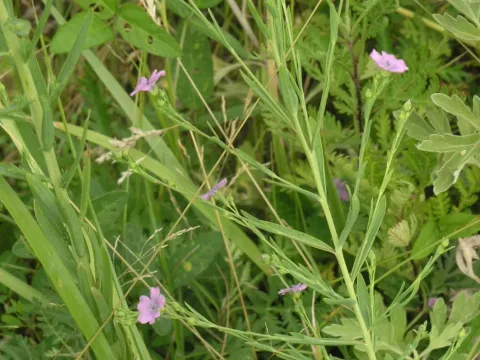
Steller flax
Linum stelleroides
Steller flax (Linum stelleroides) is a herbaceous plant belonging to the Linaceae family. Unlike industrial flax varieties, this specific species is recognized for its unique botanical traits and native distribution within the eastern regions of Asia, including territories in Russia and East Asia.
What the section contains
Steller flax
The plant is categorized as an annual crop with slender stems and narrow leaves, typical for the flax genus. Its growth cycle is adapted to temperate climates, allowing it to complete its vegetative development within a single season before the onset of extreme temperatures.
Sowing should be performed in early spring once the soil has warmed up sufficiently. A well-prepared seedbed is essential for optimal emergence. Shallow seeding depth is recommended to ensure rapid germination and healthy establishment of the crop seedlings in the field.
This species demands well-drained soil conditions to thrive. Sandy or loamy soils with a neutral pH are ideal for its development. Waterlogging must be strictly avoided, as the root system of Linum stelleroides is highly susceptible to hypoxia and subsequent decay in saturated environments.
Sunlight exposure is a critical factor for the vigor of the plant. It requires full sun to partial shade conditions to maintain steady growth rates. Insufficient light significantly hampers the production of flower buds and negatively impacts the final seed quality of the stand.
The primary threats to Steller flax productivity include fungal pathogens, particularly those causing damping-off and root rot. These diseases are most prevalent in high-humidity seasons, emphasizing the need for proper field drainage and crop rotation strategies to minimize soil pathogen load.
Insect pests, notably flax fleas and various beetles, can cause significant damage to young vegetative tissues. Monitoring for early signs of infestation is crucial, as delayed intervention often leads to a substantial decrease in crop density and overall stand health.
Harvesting should occur when the seed capsules turn brown and the seeds reach physiological maturity. Timely harvesting is vital to prevent natural seed shattering, which can result in significant yield losses if left too long in the field.