
Reinwardtia indica
Reinwardtia cicanoba
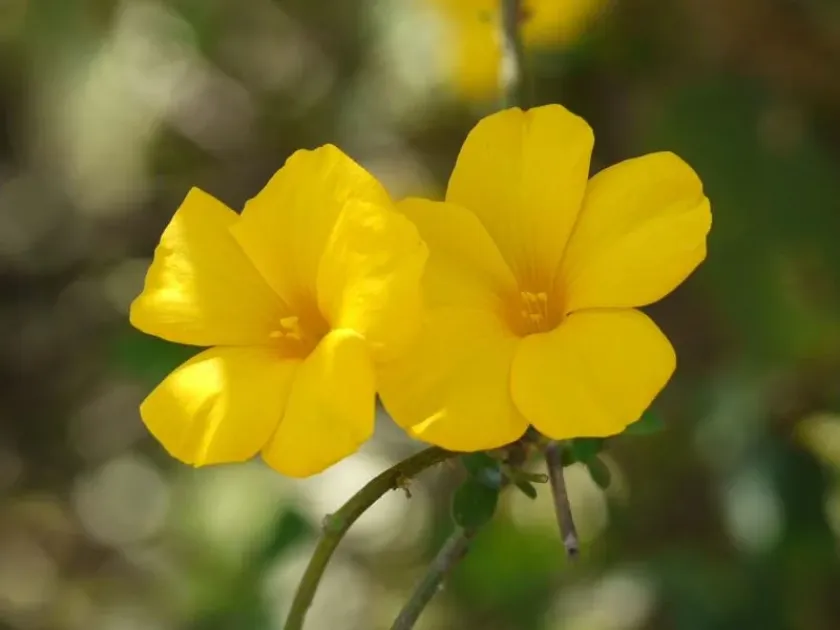
Description
Sowing dates
Reinwardtia indica, a member of the Linaceae family, is often referred to as yellow flax. It is a perennial subshrub that requires careful propagation techniques for successful establishment in a controlled environment.
Propagation is most commonly achieved through semi-hardwood cuttings taken during the late spring. These cuttings should be treated with a rooting hormone to encourage a robust root system formation.
The rooting medium must be well-draining, consisting of a mix of peat moss and perlite. Maintaining a constant bottom heat of approximately 21 degrees Celsius helps to accelerate the development of new plantlets.
Once established, plants should be transplanted into containers with high-quality potting mix. Ensuring adequate spacing is vital for the development of a strong, bushy form, which is characteristic of healthy specimens.
Young plants should be hardened off before moving to permanent locations. This process gradually exposes the plants to external environmental conditions, reducing transplant shock and ensuring better survival rates.
Growing requirements
This species thrives in bright, filtered light. While it appreciates warm temperatures, excessive direct sunlight can scorch the foliage, making placement in a partially shaded greenhouse or area ideal.
Soil requirements focus on high organic content mixed with coarse materials for drainage. The pH level should be slightly acidic to neutral to ensure the efficient uptake of essential nutrients.
Watering management is crucial; the soil should be kept consistently moist during the growth phase, but never waterlogged. Overwatering is the primary cause of failure when cultivating this species.
The plant requires a clear cycle of temperature fluctuations between day and night to trigger flower formation. During the winter resting period, cooler temperatures of around 12–15 degrees Celsius are essential.
Fertilization should be balanced and applied during the active growing season. Avoid high-nitrogen formulas, as they tend to promote leafy growth at the expense of the plant's characteristic floral display.
Main diseases and pests
Spider mites are a persistent threat, especially in low-humidity conditions. Regular misting and maintaining proper airflow help deter these pests from establishing colonies on the underside of leaves.
Mealybugs can also infest the stems and leaf axils. Physical removal with alcohol-soaked swabs or the application of insecticidal soaps is effective for managing minor outbreaks of these insects.
Root rot, caused by various fungal pathogens like Phytophthora, is a major risk when drainage is poor. Improving the aeration of the substrate is the most effective preventative measure against this threat.
Fungal leaf spots can occur if the foliage remains wet for extended periods. Directing water to the soil rather than the leaves helps prevent the development of these unsightly and harmful infections.
Regular sanitation, such as removing fallen leaves and debris, prevents the buildup of pathogens. In greenhouse settings, maintaining a clean environment significantly reduces the need for chemical interventions.