
Reinwardtia
Reinwardtia Dumort.
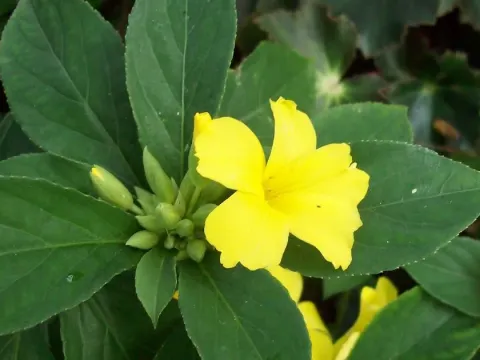
Reinwardtia is a genus of evergreen shrubs belonging to the Linaceae family. These plants are widely recognized for their vibrant yellow flowers and their distinctive habit of blooming during the cooler months of the year.
What the section contains
Reinwardtia
Originating from the Himalayan foothills and Northern India, the plant thrives in subtropical climates. In cultivation, it requires protection from frost and prefers mild, stable temperatures to maintain its vegetative vigor throughout the cycle.
The soil requirements for Reinwardtia involve well-draining, nutrient-rich mediums. A balanced substrate comprising loam, sand, and organic compost ensures healthy root development and prevents the common issue of waterlogging.
Light intensity is a critical factor in the plant's development. While it prefers bright, diffused sunlight, it should be protected from intense direct exposure to prevent foliage scorching, especially during the peak summer months.
Watering practices should be consistent, ensuring that the root zone remains moist but not saturated. Increased humidity levels are beneficial, often requiring misting or the use of humidifiers in climate-controlled environments.
The most significant pests affecting Reinwardtia in confined growing spaces are spider mites, which thrive in low-humidity conditions and cause chlorosis on the foliage.
Scale insects and whiteflies also present a potential threat, frequently colonizing the undersides of the leaves and extracting plant sap, which weakens the specimen.
Fungal diseases, specifically root rot, are commonly associated with poor drainage or excessive watering, leading to the rapid decline of the plant's health.
Good cultural practices, such as maintaining proper air circulation and spatial separation, are the primary methods for preventing the spread of diseases within a collection.
Integrated pest management, including the use of neem oil or targeted biological agents, is recommended to control infestations without damaging the delicate shrub structure.