
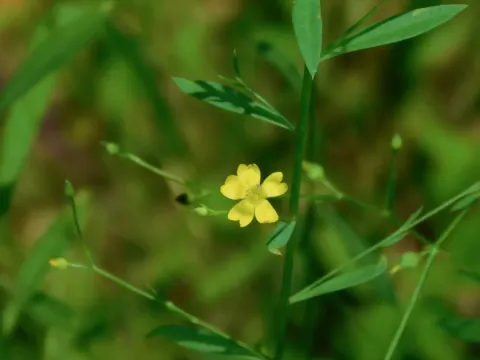
Virginia flax
Linum virginianum
Virginia flax (Linum virginianum) is a perennial herbaceous plant belonging to the Linaceae family. It is a distinct species native to North America, known for its slender stems and delicate appearance, which contrasts significantly with the commercially grown industrial flax (Linum usitatissimum).
What the section contains
Virginia flax
The native habitat of Linum virginianum includes woodlands and open clearings across the eastern United States. As a plant adapted to these ecosystems, it thrives in environments that provide moderate temperatures and consistent moisture, often preferring the sheltered conditions found in forest edges.
In terms of agricultural requirements, Virginia flax prefers soil that is well-draining and slightly acidic to neutral. It does not tolerate waterlogged soil, which can lead to rapid root decay. Therefore, selecting an appropriate site with light, porous soil structure is essential for the healthy development of this plant.
The plant demonstrates a preference for dappled sunlight rather than intense, direct solar exposure. It is well-suited for specialized botanical cultivation, where environmental factors such as humidity and light intensity can be managed to mimic its natural woodland habitat conditions.
While not a major commercial crop, Linum virginianum holds value in native plant gardening and ecological conservation efforts. Its role is focused on maintaining biodiversity and serving as an interesting specimen for botanical studies rather than industrial production of fiber or oilseeds.
The primary threats to the health of Virginia flax include fungal infections, such as root rot and wilt, which are typically triggered by poor drainage or excessive soil moisture. Maintaining a dry, well-ventilated soil surface is the most effective cultural method to prevent these issues.
Pests such as aphids and various leaf-eating insects may pose a risk during the growth season. Monitoring for early signs of infestation is crucial, as the delicate foliage of the plant can be easily damaged. Integrated pest management strategies are advised over heavy chemical interventions.