
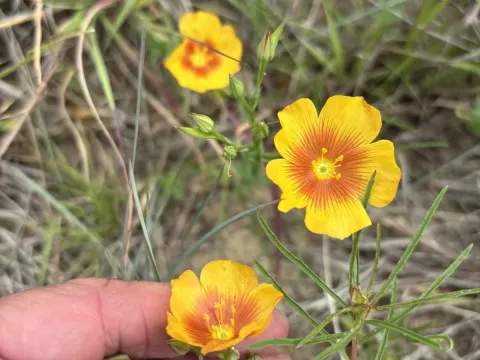
Stiffstem flax
Linum rigidum
Stiffstem flax (Linum rigidum) is an annual herbaceous plant belonging to the Linaceae family. This species is widely recognized for its high level of drought tolerance and ability to thrive in harsh, dry environments where more sensitive crops would fail.
What the section contains
Stiffstem flax
Native to North America, this plant is commonly found in prairies and dry, rocky terrains. It has evolved to survive in regions with sporadic rainfall, making it a subject of interest for sustainable agricultural and ecological restoration projects.
Botanically, Linum rigidum is characterized by its stiff, erect stems and linear, often clustered leaves. One of its most distinctive features is the brilliant yellow flower, which differs from the more commonly cultivated blue-flowered flax species found in commercial agriculture.
The plant requires well-drained, sandy or gravelly soil types to thrive. It is highly intolerant of soil compaction and waterlogging, which can lead to rapid physiological decline and root rot. Exposure to full sunlight is essential for its optimal development and seed production.
In terms of agricultural and land management use, Stiffstem flax is primarily utilized for soil stabilization and re-vegetation of disturbed lands. Its low input requirements make it a valuable component in xeriscaping and ecological restoration strategies in arid climates.
The main threat to the health of Stiffstem flax is the presence of fungal pathogens triggered by poor soil aeration and humidity. Root rot and damping-off disease are significant issues when the plant is exposed to excessive irrigation or stagnant water.
Insect pests, such as various species of beetles and specialized weevils, can cause damage during the flowering and seed maturation stages. These pests may feed on buds or developing seed capsules, which significantly impacts the yield of viable seeds.
Competition from aggressive weed species is a major challenge during the establishment phase. As a relatively low-growing and slow-starting plant, Stiffstem flax often requires weed control measures to ensure it has enough space and resources to develop properly.
Prevention of these threats relies heavily on site selection and ensuring proper drainage. By planting in substrates that mimic the natural, airy conditions of its native habitat, farmers and conservationists can drastically reduce the risk of disease incidence.
Regular field scouting is recommended during the vegetative stage to identify signs of pest infestation early. In instances where pest pressure is high, targeted management practices are preferable to broad-spectrum chemical interventions to preserve local biodiversity.