
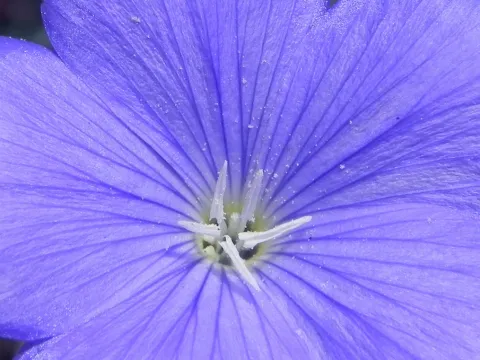
Leon's flax
Linum leonii
Leon's flax (Linum leonii) is a perennial herbaceous plant belonging to the Linaceae family. It is a distinct species noted for its specific environmental adaptation and resilience.
What the section contains
Leon's flax
The optimal sowing time is early spring when the soil temperature rises to at least 5–8 degrees Celsius, ensuring favorable conditions for germination.
Seeds should be planted at a shallow depth of 1–2 centimeters. Proper seed-to-soil contact is essential for uniform emergence in varied field conditions.
Seeding rates must be calibrated to avoid overcrowding, ensuring each plant has adequate space for root system development and nutrient uptake.
Post-sowing rolling of the field is a recommended practice to improve capillary moisture movement, which is critical for successful establishment in dry seasons.
This crop requires full sun exposure to thrive. Shade significantly impairs its growth and reduces the quality of the harvest or floral display.
Well-drained, light-textured soils such as sandy loams are ideal for this species. Poor drainage leads to root rot and other physiological issues.
Leon's flax is moderately drought-tolerant once established, but it requires consistent moisture during the early vegetative stages for optimal development.
The soil pH should remain near neutral. Highly acidic soils inhibit nutrient availability and weaken the plant's natural resistance to environmental stress.
Good air circulation is vital to prevent moisture accumulation around the base of the plant, which is crucial for managing humidity levels in the field.
Fungal diseases, specifically Fusarium wilt, are the primary threats to crop health. These pathogens spread quickly in poorly ventilated or waterlogged soils.
Flax flea beetles are significant pests that primarily attack seedlings. Their feeding habits can lead to total crop failure if left unmanaged.
To mitigate disease risks, farmers should use treated seeds and maintain a strict crop rotation schedule, avoiding flax on the same plot for several years.
Aphids can cause damage during the flowering stage by depriving plants of essential sap, which ultimately lowers the overall vitality of the crop.
Integrated pest management strategies, including the use of trap crops and targeted biological controls, are essential for maintaining sustainable yields.