
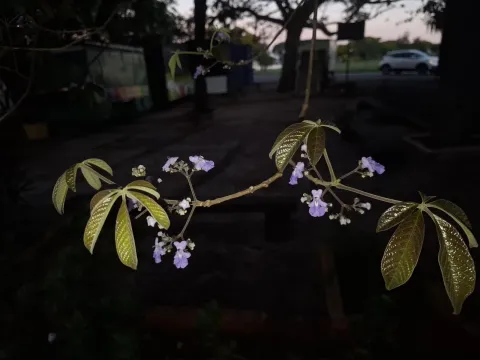
Vitex cymosa
Vitex cymosa
Propagation of Vitex cymosa is typically achieved through seeds, which require specific preparation to ensure consistent germination. Nursery settings with high humidity are preferred to provide the optimal conditions for seed development.
What the section contains
Vitex cymosa
The ideal time for sowing coincides with the onset of the wet season, ensuring that environmental moisture supports the emerging seedlings. Seeds should be sown in lightweight, well-draining soil to prevent damping-off disease.
In commercial operations, seedlings are raised in containers for several months until they are robust enough for field transplantation. Proper spacing is essential to allow for the future development of the tree's canopy.
Vegetative propagation via cuttings is a viable alternative for maintaining desirable traits of parent trees. Semi-hardwood cuttings are usually taken during the peak growth season and treated with rooting hormones.
Rooting occurs within 4 to 6 weeks under strictly controlled conditions. Maintenance of consistent soil temperature around +25 degrees Celsius is critical during the initial establishment phase of the young plants.
Vitex cymosa is a member of the Lamiaceae family, native to the tropical regions of South America. It thrives in warm, humid climates and requires a consistent temperature range between +22 and +30 degrees Celsius.
The plant prefers fertile, well-draining soils with a neutral or slightly acidic pH. While it is adaptable to various soil types, waterlogged conditions must be avoided as they significantly hinder root health.
Full sun exposure is a fundamental requirement for the healthy growth of this species. Inadequate light levels result in stunted development, reduced flowering, and an overall susceptibility to external stressors.
Water requirements are moderate, but the plant benefits from regular watering during the active growth phases. During the dormant or dry season, water frequency should be adjusted to prevent excessive stress.
Mulching around the base of the plant is recommended to retain soil moisture and regulate ground temperature. This simple cultural practice helps mimic the natural forest floor conditions where the tree thrives.
The primary economic use of Vitex cymosa is in the timber industry, where its dense, durable wood is highly valued for construction and furniture manufacturing. It is noted for its resistance to decay.
Beyond its timber, various parts of the plant, including leaves and fruit, contain compounds utilized in local folk medicine. These medicinal applications often focus on anti-inflammatory and antiseptic properties.
The yield of biomass is dependent on intensive management and favorable environmental conditions. With proper care, the plant exhibits a rapid growth rate, making it a viable option for plantation forestry.
Vitex cymosa also serves as an important pollinator-friendly species. The flowers attract numerous insect species, contributing to the overall ecological health and biodiversity of the agricultural site.
Recent research explores the potential for extracting essential oils from the foliage, which could create new value-added products. Such potential applications expand the plant's profile beyond traditional forestry.
While relatively hardy, Vitex cymosa can be susceptible to fungal diseases if environmental humidity is uncontrolled. Powdery mildew can appear on the foliage under conditions of poor air circulation.
Common pests such as spider mites and scale insects can affect the tree, especially during extended periods of drought. These pests compromise the tree's vigor and reduce the overall quality of the leaves.
Root rot represents the most significant threat to the survival of the tree. It is primarily caused by poor drainage and excessive moisture, which create a favorable environment for soil-borne pathogens.
Leaf-eating insects may damage the canopy in young plantations. Integrated pest management, focusing on biological controls and manual removal, is preferred to maintain the health of the ecosystem.
Routine monitoring of the canopy and trunk is essential for early detection of issues. Pruning affected branches promptly helps contain infections and prevents their spread to healthy sections of the plant.
Harvesting of fruits occurs when they reach full maturity, characterized by a specific color change. Post-harvest, fruits are dried in well-ventilated conditions to prevent any fungal growth or degradation.
Timber harvesting is conducted selectively, targeting trees that have reached technical maturity. This practice ensures a continuous supply of wood while maintaining the structure and longevity of the forest stand.
Leaf harvesting is done during the growth season, taking care not to over-prune individual trees. This balance is crucial for allowing the tree to maintain sufficient photosynthetic area for recovery.
The storage of harvested materials requires low-humidity environments to preserve the active ingredients in the foliage and prevent the spoilage of fruit products meant for extraction.
Effective plantation management includes post-harvest fertilization and site maintenance. These activities prepare the trees for the next growth cycle and ensure the long-term productivity of the plantation.