
Day's Oregano
Origanum dayi
Description
Growing requirements
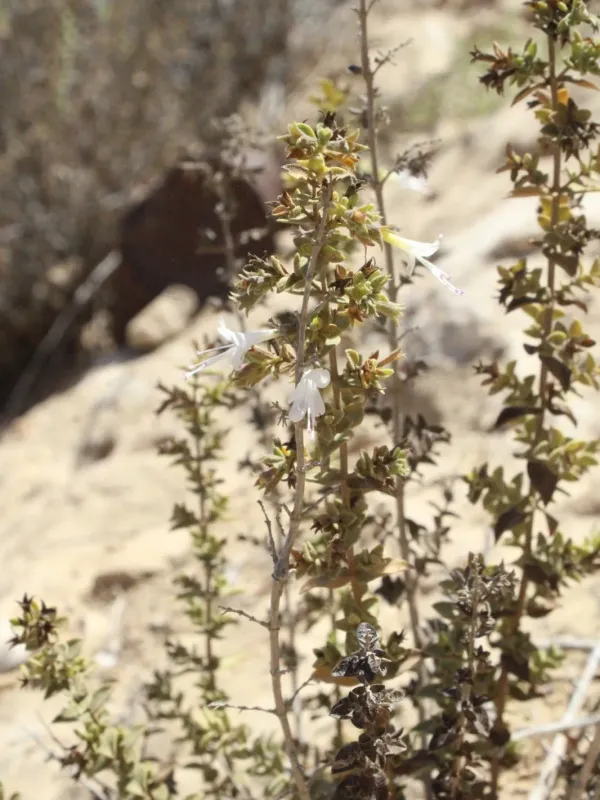
Day's Oregano (Origanum dayi) is a perennial herbaceous plant belonging to the Lamiaceae family. It is recognized for its adaptation to arid environments, making it a robust species capable of thriving in challenging climate conditions with limited water supply.
The plant requires full sun exposure to promote the synthesis of essential oils, which define its aromatic profile. Well-draining soil, particularly rocky or sandy types, is essential to prevent root rot and ensure the longevity of the perennial clumps.
Agrotechnical management focuses on minimal irrigation, as excessive moisture is the primary threat to the plant's health. The soil should be slightly alkaline or neutral, providing the necessary mineral balance for optimal vegetative growth and oil production.
Botanically, the species features small, pubescent leaves that act as a natural mechanism to reduce evapotranspiration. This adaptation allows the plant to sustain productivity during periods of heat stress, which is characteristic of its native habitat.
Fertilization should be handled with caution; organic matter can be incorporated during soil preparation, but heavy chemical nitrogen application should be avoided to preserve the plant's natural essential oil composition and strong spicy flavor.
Harvesting
Harvesting is ideally timed during the peak flowering stage. This is when the plant's secondary metabolites, particularly volatile organic compounds, reach their highest concentration, ensuring the best quality for commercial extracts.
Manual or mechanical harvesting involves cutting the aerial parts of the plant, leaving about 5-10 centimeters of stem above the soil. This height is critical to stimulate regrowth and ensure the plant remains productive for subsequent seasons.
Post-harvest processing involves rapid drying in shaded, well-ventilated areas or specialized industrial dryers. Proper moisture control during this stage is vital to prevent fungal infections and preserve the integrity of the active ingredients.
The harvested dried herb is a staple in the culinary industry and is increasingly valued in the pharmaceutical sector for its antiseptic and antioxidant properties. The product is marketed both as a whole herb and as a source for essential oil distillation.
Post-harvest field management includes clearing debris and maintaining proper aeration in the soil. Regular maintenance ensures that the plantation remains healthy and yields consistent harvests for several years before needing rotation or renovation.