
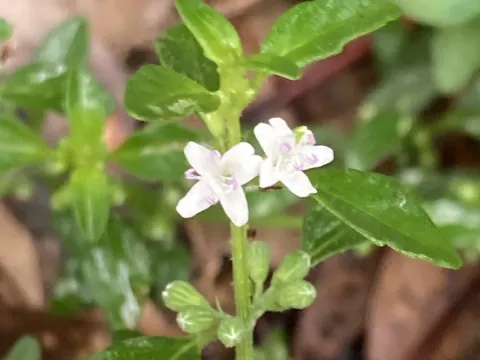
Mentha satureioides
Mentha satureioides
Mentha satureioides, known as a fragrant member of the Lamiaceae family, is a perennial herb native to Australia. It is distinguished by its unique morphological traits and a scent profile that bridges the gap between traditional mints and savory herbs, making it an interesting candidate for niche agricultural production.
What the section contains
Mentha satureioides
This plant thrives in sunny environments where light exposure is maximized. Adequate solar radiation is critical for the biosynthesis of essential oils, which define the commercial value of the crop. While it is adaptable to various climates, it performs best in regions with temperate conditions and moderate moisture levels.
Regarding soil requirements, Mentha satureioides prefers well-drained, sandy loams or silty soils. The root system is sensitive to waterlogging, which can lead to rapid decay; therefore, maintaining proper soil structure and providing effective drainage systems are essential requirements for successful long-term cultivation.
Agronomic management focuses on consistent weed control during the establishment phase and adequate irrigation scheduling. Since it is a perennial species, soil fertility management is crucial, usually involving the application of balanced NPK fertilizers during the peak growing season to support high biomass accumulation.
The economic value of this crop lies in its essential oil content and culinary potential. It is utilized in the cosmetic industry for fragrance formulation and as a specialized culinary herb. The plant's historical and contemporary uses highlight its versatility as a sustainable crop in suitable geographical zones.
The primary threats to Mentha satureioides include fungal pathogens such as rust and powdery mildew, which are often exacerbated by poor air circulation in dense canopy plantings. Additionally, sap-sucking insects like aphids can pose a significant challenge if left unmanaged during the early growth stages.