
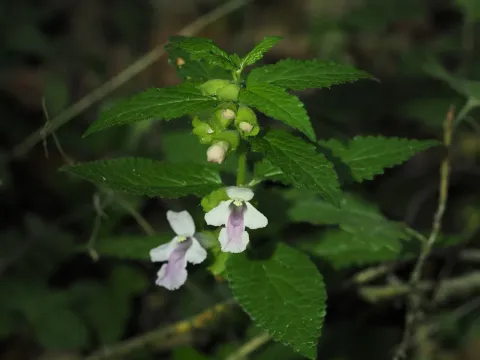
Melittis
Melittis L.
The cultivation of Melittis typically begins with sowing seeds in late autumn to allow for natural stratification during the winter season.
What the section contains

Melittis
If spring sowing is planned, seeds must be cold-stratified for at least two months at temperatures between +2°C and +5°C to ensure germination.
Seeds should be sown shallowly, as they require light to stimulate the germination process; pressing them slightly into the substrate is sufficient.
Vegetative propagation via division of the root clump is often preferred for gardeners as it yields faster results than seed-based methods.
The optimal planting density should allow for at least 40 cm between individual plants to prevent overcrowding during the peak growing season.
Melittis belongs to the Lamiaceae family and naturally thrives in woodland settings, preferring partial shade and shelter from harsh winds.
The plant requires deep, fertile, and well-drained soil that remains consistently moist but does not suffer from waterlogging.
Rich organic matter, such as leaf mold or compost, is essential for providing the necessary nutrients for robust growth and lush foliage.
While the plant is quite hardy, it dislikes extremes in temperature and prefers a temperate, stable climate with sufficient spring rainfall.
Proper site preparation should include the addition of lime if the soil is overly acidic, as this herb thrives in near-neutral soil conditions.
The primary yield consists of the aerial parts of the plant, which are harvested for their therapeutic and aromatic essential oil content.
This species is highly regarded as a significant nectar source, attracting numerous pollinators and contributing to overall garden biodiversity.
While not a major commercial agricultural crop, its value in small-scale medicinal herb gardens remains high due to its unique chemical profile.
Yield efficiency is largely determined by soil quality and irrigation management, ensuring that plants are not stressed by dryness during summer.
Sustainable harvesting practices are encouraged, allowing the plant to set seeds periodically to maintain a healthy and vigorous colony.
Powdery mildew can be a persistent issue in poorly ventilated areas, appearing as a white dusting on the foliage during humid conditions.
Root rot is a common danger if the soil structure does not provide adequate drainage, especially after heavy and prolonged rainfall events.
Slugs and snails represent the primary invertebrate threat to the plant, capable of causing severe defoliation of young shoots in spring.
Aphid infestations can occur during hot, dry spells, necessitating careful monitoring and the use of gentle botanical soaps for control.
Maintaining a balanced ecosystem within the garden and avoiding excessive nitrogen fertilization helps keep the plants resistant to common pests.
Harvesting is best conducted at the height of flowering, which ensures the highest concentration of active compounds like coumarin in the leaves.
The stems should be hung in thin bunches in a shaded, airy area to facilitate slow drying and preserve the characteristic sweet, hay-like aroma.
Avoid harvesting during wet weather, as moisture on the leaves can lead to spoilage and mold development during the drying process.
Once fully dry, the herbs should be stored in opaque, airtight containers to protect the delicate aromatic oils from light and oxidation.
Regular harvesting of flowering stems can encourage the plant to produce a second, albeit smaller, flush of growth if conditions remain favorable.