
Melissa-leaved catnip
Nepeta melissifolia
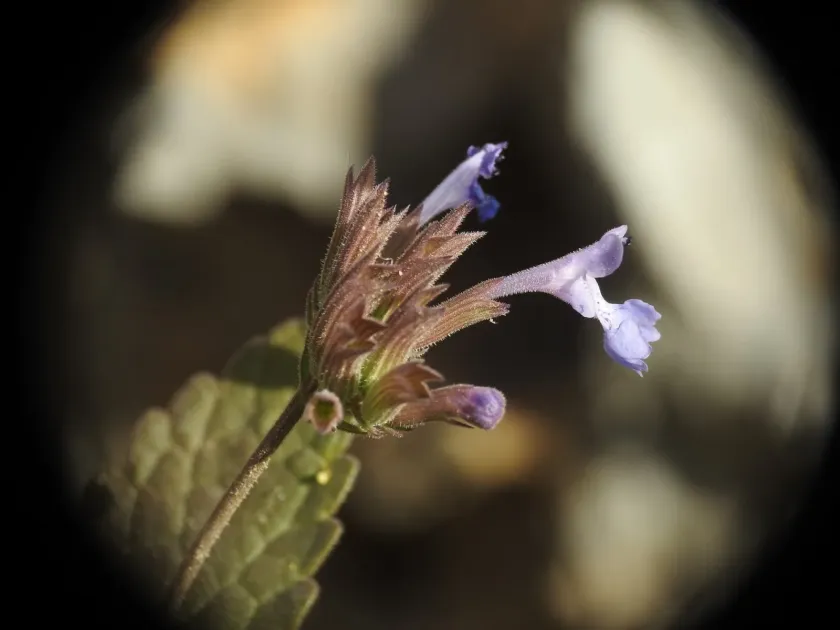
Description
Sowing dates
Nepeta melissifolia, commonly known as Melissa-leaved catnip, is a perennial herb belonging to the Lamiaceae family. It is primarily cultivated for its aromatic essential oils, requiring careful selection of sowing time, which typically occurs in early spring once soil temperatures reach 8-10 degrees Celsius.
For large-scale cultivation, seeds are sown in rows with a spacing of 45-60 centimeters. This layout is optimal for plant growth and simplifies mechanized weeding and maintenance operations throughout the vegetation period.
The sowing depth should be shallow, around 1-2 centimeters, as the seeds require sufficient light to trigger germination. Achieving a good soil-to-seed contact via light rolling is recommended to ensure uniform seedling emergence across the field.
Transplanting seedlings is a viable alternative to direct seeding, often resulting in a harvest within the first year. Seedlings should be transferred to the open ground after the risk of late spring frosts has passed, maintaining a distance of 30 centimeters between plants.
Winter sowing is also feasible in regions with temperate climates. This strategy allows the seeds to undergo natural stratification, promoting a more vigorous start in early spring and helping the crop establish its root system before the summer heat.
Growing requirements
This species thrives in sunny locations with well-drained, fertile, and light soil textures. Sandy loams are ideal as they prevent waterlogging, which is a major threat to the plant's health and the quality of its essential oils.
While Nepeta melissifolia is notably drought-tolerant once established, providing regular irrigation during the peak growth phase significantly boosts the biomass yield. Consistent moisture helps the plants reach their full productive potential.
The soil pH should ideally be neutral or slightly alkaline. Acidic or overly salty soils can negatively impact the development of the glandular hairs on the leaves, where the essential oils are synthesized and stored.
Fertilizer application should be balanced, focusing on phosphorus and potassium to strengthen the plants. Excessive nitrogen should be avoided as it stimulates leafy growth at the expense of oil quality and concentration.
The plant is hardy and adapts well to various climatic conditions, making it suitable for cultivation in many temperate regions. Ensuring good air circulation and avoiding frost pockets are crucial for successful winter survival.
Yield
The yield of Nepeta melissifolia depends heavily on agricultural practices and harvesting timing. Under optimal conditions, producers can expect an average yield of 15 to 25 tons of raw green mass per hectare, depending on local fertility.
The content of essential oil in the dry matter ranges from 0.5% to 1.2%, making it an important crop for the aromatherapy and pharmaceutical industries. Harvesting at the peak of flowering is essential to ensure maximum chemical quality.
The plantation cycle typically lasts 3 to 5 years. After this period, the plant's productivity begins to decline, and it is usually recommended to rotate the crop with other species to maintain soil health and yield levels.
Maintaining high standards of cleanliness during harvest—ensuring no weed contamination—is vital for the market value of the product. The final product can be sold as fresh herb, dried material, or distilled essential oil.
The profitability of this crop is further enhanced by on-site processing facilities, which minimize transportation costs and help retain the delicate volatile compounds that define the plant’s commercial value.
Main diseases and pests
Nepeta melissifolia is generally resistant to most common plant diseases. However, in cases of high humidity and poor ventilation, powdery mildew may appear, requiring prompt action to improve airflow through thinning or pruning.
Pests, such as aphids, may occasionally target young shoots. Given that this plant is often used for its oils, biological control methods are preferred over chemical pesticides to maintain the chemical purity of the final product.
Root rot is a potential risk only when the crop is planted in poorly drained, boggy areas. Careful site selection and land preparation are the best preventative measures against soil-borne pathogens and moisture-related decay.
Weed management is critical during the first year of the plantation. Once the catnip matures and forms a dense canopy, it is highly competitive and naturally suppresses most invasive weeds, reducing the need for intensive labor.
While the crop is quite robust, monitoring for insect damage remains good practice. Following integrated pest management (IPM) guidelines ensures both a healthy crop and environmental sustainability on the farm.
Harvesting
Harvesting is best conducted during the full flowering stage, as this is when the concentration of essential oils is highest. Timing this correctly ensures the most potent aromatic profile for the extracted oil or dried leaves.
Using mechanical harvesters, the plants are cut at 10-15 centimeters above ground level. It is important to avoid collecting the thick, woody stems at the base of the plant, which do not contain desirable aromatic compounds.
Freshly harvested material should be transported immediately to the processing area. Storing cut green mass in large piles can cause overheating and fermentation, which destroys the volatile oils and ruins the quality.
For dried herb production, dehydration should occur in specialized drying rooms with controlled temperatures. Keeping the temperature below 40 degrees Celsius prevents the evaporation of the essential oils.
For seed harvesting, wait until the lower parts of the flower spikes turn brown, then cut and allow them to dry further to finish ripening. Once seeds are mature, they should be cleaned and stored in cool, dry conditions.