
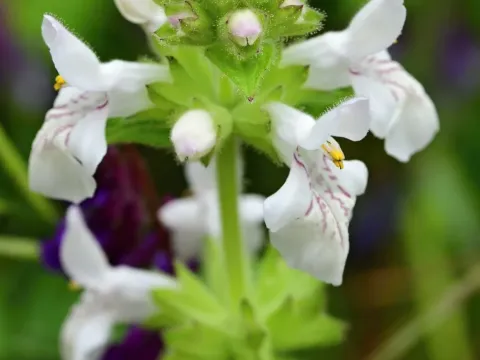
Stachys spinulosa
Stachys spinulosa
Stachys spinulosa is a member of the Lamiaceae family, widely recognized for its perennial herbaceous nature. Originating from regions with Mediterranean-type climates, it has evolved to thrive in specific ecological niches within Southeastern Europe.
What the section contains
Stachys spinulosa
The plant features distinct botanical characteristics, including rigid, spine-tipped bracts and glandular hair covering the stems. These traits are evolutionary adaptations that serve to protect the plant from herbivory and reduce water loss through transpiration.
Requirements for cultivation focus on well-draining, slightly alkaline soils. It performs poorly in compacted or waterlogged ground, which can trigger root rot; therefore, selecting an elevated or well-drained planting site is essential for long-term health.
Climate preferences favor regions with plenty of direct sunlight. While the species is resilient against drought, supplemental irrigation during the critical flowering stage can significantly increase biomass production and essential oil concentration.
Host plant utilization is multifaceted, spanning from raw material for pharmacological compounds to ornamental use in xeriscaping projects. Its ability to tolerate low-nutrient soils makes it an excellent candidate for sustainable, low-input farming systems.
Fungal pathogens such as powdery mildew are the most common threats to foliage health, particularly during humid seasons with poor air circulation. Regular inspection of the leaf surface for white fungal patches is recommended.
Pests such as aphids and spider mites are frequent visitors. Aphids tend to cluster on the tender tips of the stems, sucking the sap and potentially transmitting viral pathogens that can stunt the plant's overall growth.
Disease management strategies rely heavily on preventative measures. Ensuring adequate spacing between plants allows for better airflow, which inherently reduces the humidity levels that fungal spores need to germinate and spread.
Integrated pest management (IPM) is strongly advised, favoring the use of biological control agents like predatory beetles or lacewings over broad-spectrum pesticides to preserve the local ecological balance.
Soil-borne pathogens can be mitigated by ensuring proper solarization of the land prior to planting. Maintaining a balanced nutrient profile, especially regarding potassium, helps the plants develop thicker cell walls, improving their defense against mechanical damage and infection.