
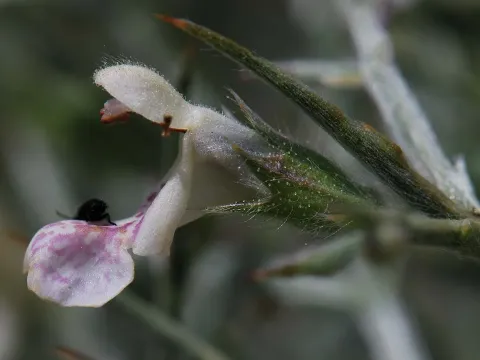
Stachys spinosa
Stachys spinosa
Stachys spinosa is a perennial herbaceous plant belonging to the Lamiaceae family. It is distinct for its rigid, spine-like bracts that characterize its appearance and provide an evolutionary advantage in dry, Mediterranean-type climates.
What the section contains
Stachys spinosa
The plant originates from the Mediterranean basin, naturally thriving in rocky outcrops and Mediterranean scrublands. It is well-adapted to high UV exposure and periods of extreme summer drought, defining its role as an xerophytic species.
In terms of soil requirements, the plant demands excellent drainage. Sandy, gravelly, or stony substrates are ideal for preventing moisture accumulation around the roots, which is critical to avoid root rot and other fungal infections.
Cultivation requires full sun exposure to maintain the plant's structural integrity and characteristic spiny growth. Shaded conditions lead to etiolated, weak stems and significantly increase the plant's susceptibility to pathogens and environmental stress.
Economically, Stachys spinosa is primarily recognized for its ornamental value in xeriscaping and sustainable garden design. Its resilience and low nutrient requirements make it an excellent choice for low-maintenance landscaping in Mediterranean climates.
Fungal diseases, specifically powdery mildew and root rots, pose the most significant threat to the crop. These pathogens primarily emerge when the microclimate around the plant becomes overly humid or if soil aeration is compromised.
Insect pests, including aphids and spider mites, can affect the plant during the early growth stages in spring. These infestations usually occur under stress conditions, such as extreme heat or nutritional imbalances, weakening the plant's natural defenses.
Effective management strategies prioritize preventative measures, such as ensuring proper plant spacing for air circulation. Reducing stagnant air around the foliage is a key factor in limiting the spread of airborne fungal spores.
Integrated pest management (IPM) should be applied if chemical interventions are needed, favoring organic or biological agents to maintain the ecological integrity of the planting site.
Regular sanitation of the growing area, including the removal of dead or decaying plant material, is essential. This reduces the inoculum pressure of pathogens and helps maintain a healthy environment for the plants to thrive.