
Swainson's betony
Stachys swainsonii
Description
Growing requirements
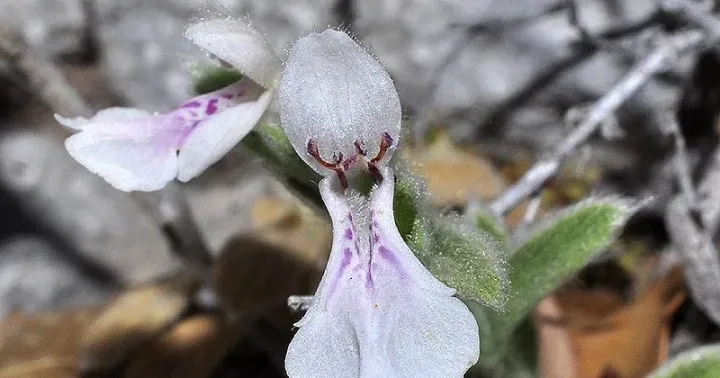
Swainson's betony (Stachys swainsonii) is a perennial herbaceous plant belonging to the Lamiaceae family. It is characterized by its distinct, dense silvery foliage that forms low-growing, compact mounds, making it a valuable asset for alpine gardens.
The native habitat of this plant includes the rugged, mountainous regions of Greece and the Aegean islands. It has evolved to thrive in nutrient-poor, rocky substrates, exhibiting remarkable tolerance to extreme solar radiation and drought.
For successful cultivation, excellent soil drainage is non-negotiable. The plant is prone to root rot if held in saturated conditions, so planting in gravelly or gritty soil mixes is essential to mimic its natural environment.
This species is strictly photophilous, requiring full sun to maintain its structural integrity and silver leaf coloration. In low light conditions, the plant tends to lose its compact shape, becoming leggy and more susceptible to fungal pathogens.
Agricultural maintenance involves minimal intervention. It does not require frequent fertilization, as excessive nutrients encourage soft, sappy growth that is more vulnerable to winter frost and pests.
Main diseases and pests
Fungal pathogens associated with high moisture are the primary threat to the health of Stachys swainsonii. Root and crown rot often occur when drainage is insufficient or when air circulation is impeded by dense weeds.
Powdery mildew can affect the foliage during periods of high humidity and poor ventilation. This infection detracts from the plant's ornamental appeal and requires prompt removal of affected parts to prevent spreading.
Slugs and snails are the most common invertebrate pests that can cause significant foliage damage during wet spring months. Implementing physical barriers like crushed gravel can help protect the plant.
Poor winter survival is usually linked to crown rot caused by freezing water trapped within the dense foliage. Ensuring the plant stays relatively dry throughout the dormant period is vital for survival in cooler climates.
Regular maintenance, including thinning out old growth and removing dead leaves in late winter, is crucial to promote good airflow through the crown, thereby reducing the likelihood of disease outbreaks.