
Stachys viticina
Stachys viticina
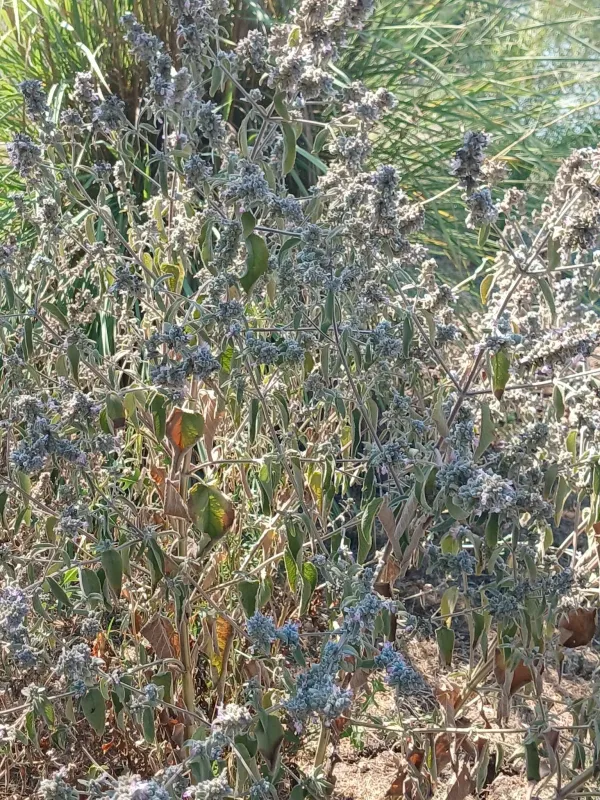
Description
Sowing dates
Sowing of Stachys viticina is typically scheduled for early spring when soil temperatures reach 10-12 degrees Celsius. This timing allows seeds to utilize early spring moisture for uniform germination.
For better results in cooler regions, winter sowing can be practiced. This exposes seeds to natural stratification, which often leads to stronger seedling vigor when temperatures rise in spring.
Seeds should be sown in rows spaced 45-60 centimeters apart. The planting depth must be kept shallow, approximately 1-2 centimeters, to provide the necessary conditions for optimal light-induced germination.
When using a greenhouse for starter plants, sowing takes place in late winter. Seedlings are then hardened off before being transplanted to the main field once frost risks have passed.
Maintaining a clean, weed-free seedbed is essential, as the young seedlings of Stachys viticina are initially slow to grow and can easily be outcompeted by more aggressive weeds.
Growing requirements
As a member of the Lamiaceae family, Stachys viticina thrives in well-drained, calcareous soils. It is highly intolerant of waterlogged conditions, which lead to root rot and poor plant development.
The plant requires full sun exposure for optimal growth. Insufficient sunlight results in weak, spindly stems and reduced production of secondary metabolites, which are essential for its medicinal quality.
The climate requirements reflect its native Mediterranean origin. It is drought-tolerant once established but benefits from occasional deep watering during extended heatwaves in the peak growing season.
Soil pH should ideally be neutral or slightly alkaline. Acidic soil environments are detrimental to the species and require proper correction with lime before establishing a plantation.
Agronomic practices must include regular shallow cultivation to improve soil aeration and maintain a friable soil surface, which prevents crusting after irrigation or rain events.
Yield
The yield of Stachys viticina is measured by the dry mass of aerial parts. Intensive farming practices can result in yields of 1.5 to 2.0 tonnes per hectare depending on site fertility.
Harvest timing is critical; the peak biomass and highest concentration of active compounds are achieved during full bloom. Harvesting too early or too late will significantly reduce product quality.
The crop is a perennial, and well-managed stands can remain productive for several years. Annual maintenance includes pruning and targeted fertilization to support recurring growth cycles.
Beyond medicinal use, the species is increasingly recognized for its aesthetic value, making it a viable crop for specialized ornamental nurseries focused on drought-resistant landscapes.
Post-harvest processing involves quick drying to preserve chemical stability. Efficiency in drying protocols is a key factor in the overall economic viability of the farm operation.
Main diseases and pests
The most common pests include aphids and spider mites, which typically target the plant during hot and dry weather. These pests suck nutrients, weakening the plant and lowering harvest weight.
Root rot is the most prevalent disease, caused by pathogens like Phytophthora or Pythium, usually linked to poor soil drainage and excessive irrigation practices.
Powdery mildew may appear on the foliage toward the end of the season. To minimize this, ensure adequate plant spacing to facilitate air circulation and reduce humidity levels around the foliage.
Slugs and snails can damage emerging seedlings during damp spring seasons. Implementing physical barriers or organic bait traps is often necessary in such conditions.
- Practice integrated pest management (IPM) to minimize chemical exposure.
- Keep the crop perimeter clean to reduce pest breeding grounds.
- Regular field monitoring is essential for early pathogen detection.
Harvesting
Harvesting is performed by cutting the stems about 10-15 centimeters above the ground. This preserves the basal nodes and encourages the plant to regenerate for subsequent harvests.
Immediate processing after harvest is vital. The aerial parts must be moved to a shaded, well-ventilated drying shed to prevent solar degradation of aromatic compounds.
Optimal drying temperatures range between 35 and 40 degrees Celsius. Excessive heat should be avoided as it can volatize the beneficial oils that determine the crop's market value.
After the material has dried to a moisture content of below 10%, it should be stored in opaque, airtight containers to protect it from light and environmental humidity.
Strict quality control protocols during sorting ensure that no woody debris or diseased parts are included in the final commercial product batch.