
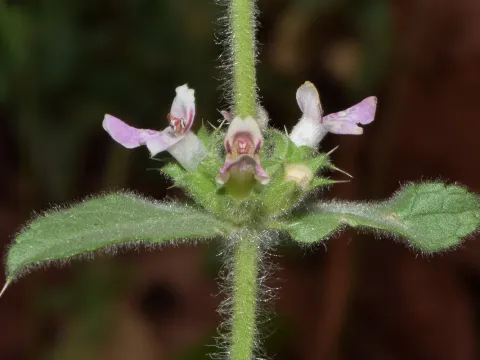
Stachys setifera
Stachys setifera
Stachys setifera is a perennial herbaceous plant belonging to the Lamiaceae family. It is naturally found in temperate regions, where it thrives in open grasslands and slopes, demonstrating high ecological adaptability.
What the section contains
Stachys setifera
The plant is characterized by its erect stems covered with stiff, bristly hairs, which provide a defensive mechanism against desiccation. Its foliage is oblong with serrated margins, and it produces distinctive spike-like inflorescences that attract various pollinators.
For successful cultivation, this crop requires full sun exposure to ensure optimal accumulation of essential oils and other secondary metabolites. It is relatively drought-tolerant once established but performs best under consistent, moderate moisture conditions.
Soil requirements focus on well-drained loamy or sandy soils with a neutral pH. Proper soil aeration is critical, as the roots are sensitive to waterlogging, which can impede growth and cause physiological stress.
Economically, Stachys setifera is valued as a raw material in the pharmaceutical industry due to its bioactive constituents. It is also utilized in xeriscaping and sustainable landscaping, where its low-maintenance profile is a significant advantage.
Powdery mildew is the most common fungal disease affecting the crop, particularly in environments with high humidity and stagnant air. Strategic spacing and pruning are essential practices to ensure proper ventilation throughout the canopy.
Root rot represents a severe threat if soil drainage is compromised. To mitigate this risk, farmers should avoid over-irrigation and maintain loose, crumbly soil structure to facilitate oxygen exchange to the root zone.
Aphids and spider mites are the primary pests that target succulent parts of the plant. Monitoring and early intervention with biological controls or targeted sprays can effectively prevent significant damage during the peak growing season.
Slugs may become an issue in damp patches of the field, feeding on foliage and potentially spreading pathogens. Implementing physical barriers or organic deterrents is recommended to protect young, vulnerable seedlings.
Integrated pest management, including weeding and monitoring, is the most effective approach for sustaining healthy crops. Maintaining field hygiene reduces the presence of alternative hosts for pathogens and improves overall plant vigor.