
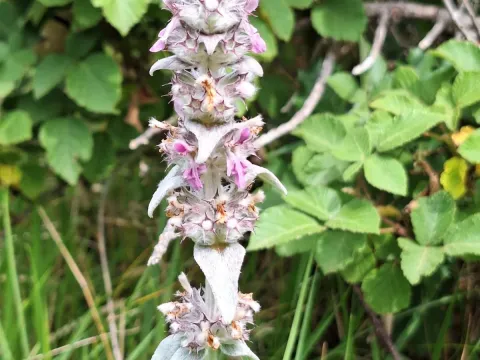
Stachys thirkei
Stachys thirkei
Stachys thirkei is a perennial herbaceous plant belonging to the Lamiaceae family. This species is native to specific mountainous regions, primarily in the Balkan Peninsula, where it adapts to rocky substrates and open, sunny environments.
What the section contains
Stachys thirkei
The crop thrives in well-drained soils, showing a clear preference for mineral-rich environments with low moisture retention. It is characterized by its high drought tolerance, which is supported by its botanical structure, specifically the dense pubescence on its foliage that limits transpiration.
When cultivating Stachys thirkei, site selection is crucial. The plant requires maximum exposure to direct sunlight to ensure compact growth and optimal flowering. Shaded areas should be avoided as they lead to etiolated stems and increased susceptibility to diseases.
Regarding agricultural practices, the plant does not require heavy fertilization. Excess nitrogen can lead to succulent growth that is less resistant to both environmental stress and pest attacks. Maintaining a balanced soil structure is the key to longevity for this species.
In terms of practical use, the plant is primarily valued in ornamental landscaping for its unique texture and color. Its role as a nectar source makes it a beneficial addition to ecological corridors in sustainable agricultural systems.
The primary threats to Stachys thirkei are fungal pathogens associated with excessive soil and atmospheric humidity. Powdery mildew remains the most significant threat, especially during seasons with high precipitation or poor air circulation.
Pest pressure is usually moderate but can escalate under stressful conditions. Aphids and spider mites are the most common insects observed on the leaves. These pests can cause chlorosis and stunted development if not managed during the early stages of infestation.
Integrated Pest Management (IPM) is recommended for this crop. This approach emphasizes maintaining plant vigor through proper spacing and moisture control, which naturally increases the plant's resistance to minor pest outbreaks.
Sanitation is a critical component of disease prevention. Removing dead foliage after the growing season helps to reduce the inoculum levels of pathogens that might overwinter in the debris near the plant crown.
In cases of severe infestation, specialized organic or synthetic treatments should be applied during the early morning or late evening. This ensures efficacy and protects the beneficial insects that visit the flowers of this nectar-producing plant.