
Sticky sage
Salvia glutinosa
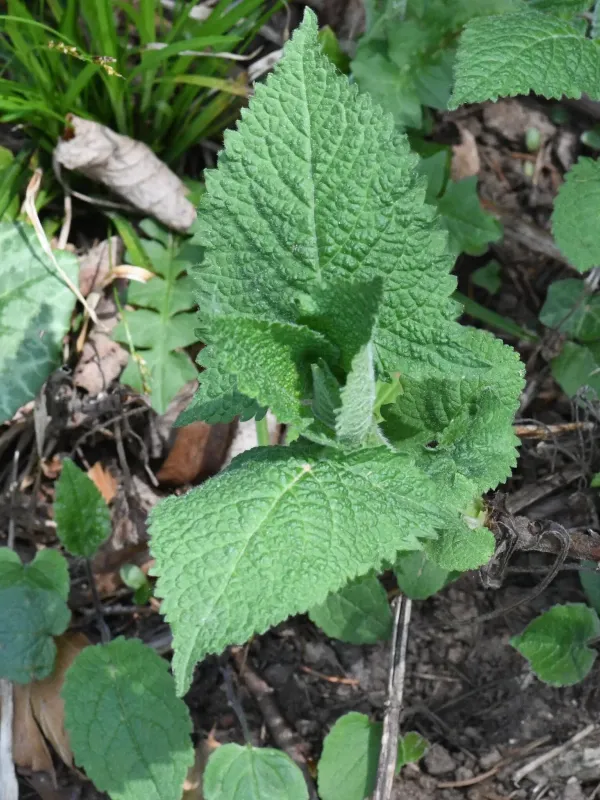
Description
Sowing dates
Sowing Sticky Sage (Salvia glutinosa) is typically performed in early spring once soil temperatures reach 10-12 degrees Celsius. This timing ensures that the seeds have sufficient warmth to germinate effectively while benefiting from the residual spring soil moisture.
An alternative method is late autumn sowing in October, which allows the seeds to undergo natural stratification over the winter. This practice often results in more uniform germination in the spring as the seeds have fully prepared for growth.
In a field setting, seeds are sown in rows spaced 45–60 centimeters apart. A shallow sowing depth of 1-2 centimeters is essential, as the seeds are small and require minimal soil coverage to sprout without losing energy from deep burial.
For more controlled results, starting seeds in trays or cold frames during March is a viable strategy. The resulting seedlings are transplanted into the field after the danger of frost has passed, ensuring a higher survival rate for the crop.
Success depends heavily on maintaining constant surface moisture during the initial weeks. Utilizing a thin layer of mulch or fine organic matter can help protect the seeds from desiccation and promote consistent germination across the planting area.
Growing requirements
Sticky Sage belongs to the Lamiaceae family and is native to moist, shaded woodlands. Consequently, the crop performs best in semi-shaded locations that mimic its natural forest habitat, avoiding direct exposure to scorching midday sun.
The plant thrives in fertile, loose, and well-drained soils. While it prefers neutral to slightly acidic pH levels, the most critical factor is preventing waterlogged soil, as the roots are susceptible to decay under saturated conditions.
The plant is known for its high frost resistance, adapting well to temperate climates. However, in regions with harsh winters and low snowfall, providing a protective mulch layer around the root zone is recommended to prevent frost heaving and root injury.
Agricultural management should prioritize soil aeration through regular hoeing, especially during the first two years of establishment. This improves oxygen flow to the root system and reduces competition from weeds that might otherwise overtake the crop.
Nutrient management involves balanced applications of nitrogen in the early vegetative phase to promote foliage growth. As the plant enters the reproductive stage, transitioning to phosphorus and potassium fertilizers enhances blooming and essential oil quality.
Yield
The yield of Sticky Sage depends on the age of the plantation and the quality of maintenance. The plant is a perennial that reaches peak biomass production around the third or fourth year after initial establishment.
Harvesting primarily targets the aerial parts, including stems, leaves, and flowers. Productivity is measured by the total weight of the dried herbal material, which remains consistent if the plants are cared for properly.
Optimizing plant density is key to maximizing the harvest per hectare. Proper row management and irrigation allow the plants to reach their genetic potential without significant competition for space or light resources.
The plantation's lifespan is generally around 5-7 years, after which yield typically declines. A systematic replanting schedule ensures that the farm maintains high productivity levels without experiencing a drop in output quality or quantity.
Yield metrics are also influenced by harvest timing. Strategic cutting encourages secondary growth of leaves, enabling farmers to gather additional biomass later in the season if the climatic conditions permit adequate regrowth before winter dormancy.
Main diseases and pests
The primary threats to Sticky Sage crops are fungal pathogens such as powdery mildew and gray mold, which flourish in stagnant, humid air. Adequate spacing between plants is the most effective preventative measure to ensure good airflow.
Pests including aphids and slugs are common challenges during the early growth stages. These insects feed on tender leaves, which can stunt plant growth if left unmanaged and potentially lead to secondary infections.
Biological pest control is preferred to maintain the quality of the medicinal product. Introducing beneficial insects or using microbial-based treatments can effectively manage outbreaks without leaving harmful chemical residues on the plant material.
Ensuring soil drainage and removing diseased plant tissue immediately are critical components of a robust IPM (Integrated Pest Management) strategy. These steps significantly lower the risk of widespread fungal infections in the crop.
- Regular field scouting to identify pest pressure early.
- Use of drainage tiles or raised beds to prevent water accumulation.
- Sanitary pruning of dead or infected stems during the autumn months.
Harvesting
The harvest should be conducted during the peak flowering stage, which usually occurs between July and August. At this time, the leaves and flowers contain the maximum concentration of essential oils and active compounds.
Harvesting involves cutting the stems 10-15 centimeters above the ground. This preserves enough of the plant's basal structure to facilitate recovery and regrowth for the subsequent year's harvest.
Immediate processing is crucial post-harvest. The collected material must be transported to a drying facility without delay to prevent heating and the degradation of volatile essential oils, which are highly sensitive to thermal stress.
Drying is performed in shaded, well-ventilated areas or in temperature-controlled dehydrators. Maintaining temperatures below 40 degrees Celsius is essential to preserve the biological integrity and aromatic profile of the dried herb.
Once dried, the product is stored in airtight, moisture-proof containers in a cool, dark room. Properly stored Sticky Sage can maintain its efficacy and quality for up to two years, ensuring its value for commercial or medicinal use.