
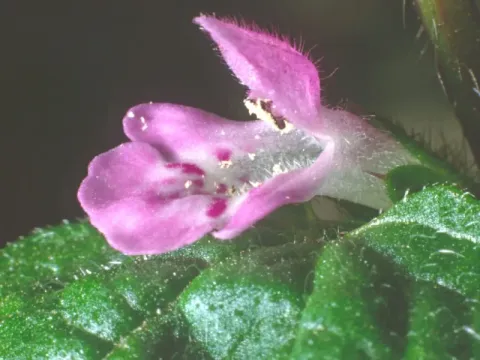
Stachys salisii
Stachys salisii
Stachys salisii is a perennial herbaceous plant belonging to the Lamiaceae family. It is an endemic species native to the island of Corsica, where it thrives in specific rocky and open habitats characteristic of the Mediterranean ecosystem.
What the section contains
Stachys salisii
The plant requires well-drained, nutrient-poor, or moderately fertile soils. It is highly adapted to sandy or gravelly substrates that prevent waterlogging, which is essential for maintaining the health of its root system during the dormant period.
In terms of climate, Stachys salisii prefers full sun exposure and is well-adapted to high temperatures and seasonal drought. It lacks frost tolerance typical of arctic species, making it suitable for warmer temperate or Mediterranean climatic zones.
Botanically, the plant is characterized by its pubescent (hairy) foliage, which serves as an adaptation to reduce transpiration. The inflorescences are typical of the genus, producing whorls of flowers that are highly attractive to local pollinators, including bees.
Culturally and economically, this species is gaining attention in sustainable landscaping and xeriscaping. Its low maintenance requirements and aesthetic appeal make it a candidate for rock gardens and areas with limited irrigation capacity.
The primary threats to Stachys salisii are fungal pathogens, specifically those causing root rot and damping-off when the soil is overly saturated or lacks proper aeration. Excessive humidity is generally detrimental to its long-term survival.
Pests such as spider mites can infest the foliage during prolonged dry spells, leading to yellowing and stunted growth. Integrated pest management practices, including careful monitoring and organic control methods, are recommended to maintain plant vigor.
Weed competition is a significant concern during the establishment phase, as the plant grows relatively slowly. Manual weeding or the use of inorganic mulches like gravel is preferred to keep the immediate growing area clean and well-aerated.
Susceptibility to foliar diseases is increased when there is poor air circulation. Planting at appropriate spacing distances helps to create an microclimate that inhibits the development of powdery mildew and other airborne fungal issues.
Maintaining the integrity of the soil structure and avoiding nitrogen-heavy fertilizers is crucial. Over-fertilization can result in lush, soft growth that is more prone to pest attacks and less resilient to environmental stressors.