
Stachys petiolosa
Stachys petiolosa
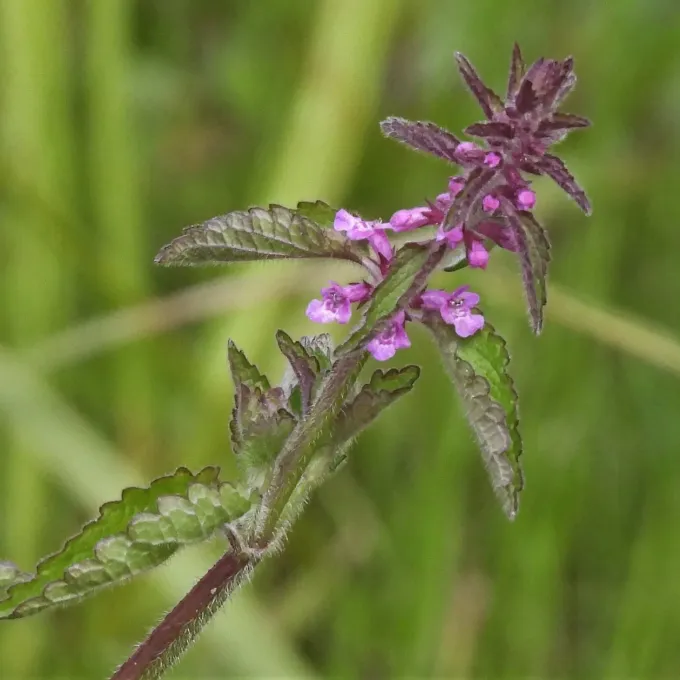
Description
Growing requirements
Stachys petiolosa is a perennial herbaceous plant belonging to the Lamiaceae family. It is recognized for its unique adaptation to mountainous habitats, specifically those found in the Caucasus region, where it thrives in specific microclimates.
The plant requires well-drained, porous soils that prevent water stagnation. Ideally, the substrate should be slightly alkaline or neutral, providing the necessary minerals for the development of its root system and aerial parts.
Regarding environmental conditions, Stachys petiolosa prefers locations with moderate exposure to sunlight. While it can handle semi-shaded areas, sufficient light is crucial for the optimal concentration of its secondary metabolites.
Cultivation practices involve maintaining adequate soil moisture levels throughout the growing season. However, farmers must avoid over-irrigation, as the root collar is highly susceptible to rot when exposed to excessive humidity.
This species displays significant resilience to low winter temperatures, making it a robust perennial for specific climatic zones. Proper plant spacing is essential to ensure adequate air circulation, which helps maintain plant health.
Main diseases and pests
Root rot is the most significant pathological threat to Stachys petiolosa plantations. It is typically caused by soil pathogens such as Fusarium species, which flourish in poorly drained or waterlogged field conditions.
Powdery mildew represents a common fungal disease affecting the foliage. It thrives in environments with high humidity and poor air movement, resulting in a white powdery coating that restricts photosynthesis.
Insect pests, such as aphids, frequently target the young shoots of the plant. Their feeding activity can cause distortion and stunted growth, effectively reducing the overall quality of the harvestable material.
Spider mites can also be problematic during hot and dry spells. These pests damage the leaves by piercing them and extracting chlorophyll, which eventually leads to chlorosis and potential plant death if left untreated.
Integrated pest management, including the use of preventive fungicides and biological control agents, is recommended. Regular monitoring of the field is necessary to identify early signs of infestation and implement control measures promptly.